

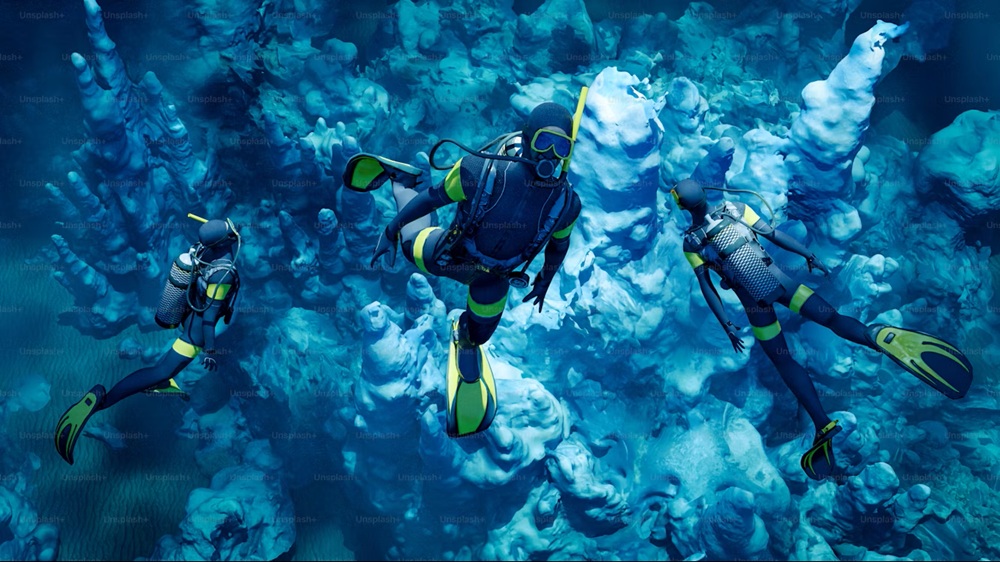
Essential Safety Tips for New Divers
Scuba diving is one of the safest adventure activities when it is practiced responsibly. Every year, thousands of people complete their first dive without any problems because they follow professional guidance and respect basic safety procedures. If you’ve recently read Common Beginner Diving Mistakes, you’ll already know that many diving incidents can be prevented simply by developing good habits from the very beginning.
Feeling a little nervous before your first dive is perfectly normal. Whether you’re joining a Discover Scuba Diving experience or beginning your Open Water course, safety should always be your highest priority. Confidence underwater doesn’t come from taking risks—it comes from understanding how to dive correctly and making smart decisions before, during, and after every dive.
This guide shares practical Safety Tips for New Divers that will help you feel more prepared, protect the underwater environment, and enjoy every moment beneath the surface. These recommendations are used by professional dive instructors worldwide and are suitable for anyone taking their first steps into recreational scuba diving.
Choose a Professional Dive Center
One of the most important decisions you’ll make happens before you even enter the water.
Selecting a reputable dive center ensures that your equipment is well maintained, instructors are properly trained, and safety procedures are consistently followed.
When comparing dive operators, consider whether they:
- Employ certified professional instructors.
- Maintain their scuba equipment regularly.
- Limit student-to-instructor ratios.
- Provide detailed safety briefings.
- Follow internationally recognized diving standards.
- Have positive reviews from previous guests.
A quality dive center focuses on education and safety rather than simply getting people into the water as quickly as possible.
Be Honest About Your Health
Your instructor can only make safe decisions based on the information you provide.
Before diving, you’ll usually complete a medical questionnaire. Answer every question honestly, even if a condition seems minor.
For example, you should mention:
- Recent surgeries.
- Asthma or breathing problems.
- Heart conditions.
- Ear or sinus issues.
- Pregnancy.
- Recent illnesses or injuries.
Sharing accurate information doesn’t automatically prevent you from diving. Instead, it allows professionals to determine whether additional medical advice or precautions are appropriate.
Prepare Before Leaving Home
Good safety begins long before arriving at the dive site. Organizing your day properly helps reduce unnecessary stress and allows you to focus entirely on learning.
If you’re unsure what personal items to bring, reading What Should You Bring for Your First Dive? beforehand can help you prepare efficiently without packing unnecessary equipment.
A few simple preparations include:
- Getting a full night’s sleep.
- Eating a light, balanced meal.
- Drinking plenty of water.
- Wearing comfortable clothing.
- Arriving early enough to avoid feeling rushed.
Small preparations like these create a calmer mindset, which often leads to a better diving experience.
Listen Carefully During Every Briefing
Even if you’ve watched diving videos online or spoken with experienced friends, always pay close attention during your instructor’s briefing.
Every dive site is different.
Conditions such as water visibility, entry points, currents, and marine life can vary significantly from one location to another.
Your instructor will explain:
- The dive plan.
- Maximum depth.
- Time limits.
- Underwater communication.
- Emergency procedures.
- Environmental guidelines.
Avoid treating the briefing as something to simply “get through.” The information provided directly supports your safety underwater.
Never Dive Beyond Your Training
Many beginners become excited after their first successful dive and immediately want to explore deeper or more challenging sites.
While enthusiasm is wonderful, progressing too quickly can increase unnecessary risk.
Stay within the limits of your current training and experience.
If you’d like to dive deeper or explore advanced environments such as wrecks or drift dives, complete the appropriate certification first.
Learning step by step builds confidence and creates safer divers over the long term.
Check Your Equipment Before Every Dive
Even though professional staff prepare the scuba equipment, every diver should perform a final inspection before entering the water.
Take a few moments to verify:
- Your BCD inflates and deflates correctly.
- The regulator delivers air smoothly.
- Your tank valve is fully open.
- Your mask fits comfortably.
- Your fins fit securely.
- Your weight system is properly attached.
This quick inspection helps identify simple issues before they become distractions underwater.
Many experienced divers follow the same routine before every single dive, regardless of how many years they’ve been diving.
Communicate Whenever Something Feels Wrong
One of the most valuable Safety Tips for New Divers is learning that it’s perfectly acceptable to speak up.
If you’re uncomfortable, confused, cold, tired, or simply unsure about something, tell your instructor immediately.
Never worry about slowing down the group.
Professional instructors would much rather answer an extra question on the surface than solve a preventable problem underwater.
Good communication builds trust, reduces stress, and creates a safer experience for everyone involved.
Breathe Slowly and Stay Relaxed
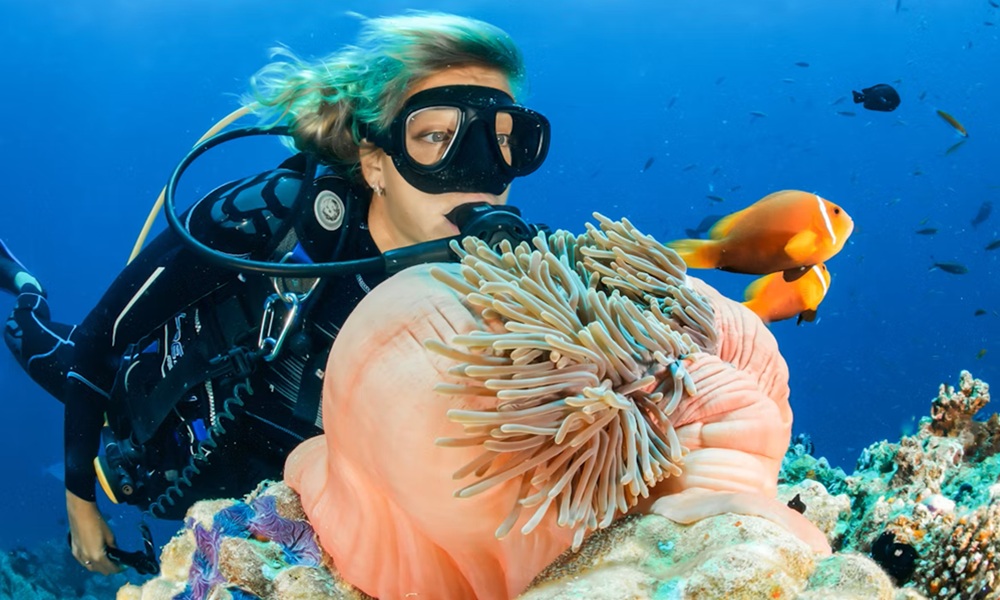
Once you’re underwater, your breathing becomes one of the most important factors affecting both comfort and safety. New divers sometimes breathe faster because everything around them feels exciting or unfamiliar. This is completely normal, but slowing your breathing will help you remain calm and conserve your air supply.
A relaxed breathing rhythm offers several advantages:
- Improves buoyancy control.
- Reduces physical effort.
- Extends your available air.
- Helps you think more clearly underwater.
- Makes the entire dive more enjoyable.
If you ever begin to feel anxious, stop swimming for a moment, look toward your instructor, and focus on slow, steady breaths until you feel comfortable again.
Stay Close to Your Instructor or Dive Buddy
Scuba diving is not a solo activity, especially for beginners. One of the most valuable Safety Tips for New Divers is staying close enough to your instructor or buddy to communicate easily at all times.
Maintaining a reasonable distance allows you to:
- Receive guidance quickly.
- Respond to hand signals immediately.
- Share exciting marine life sightings.
- Receive assistance if needed.
- Avoid becoming separated from the group.
Swimming far ahead or drifting behind may seem harmless, but it makes communication much more difficult. Staying together is one of the simplest ways to improve overall dive safety.
Monitor Your Air Regularly
Many beginners become fascinated by colorful reefs and forget one of the most important habits in scuba diving—checking their air supply.
Although your instructor will monitor your cylinder pressure, developing your own routine is essential.
Checking your pressure gauge regularly helps you:
- Understand your breathing rate.
- Recognize how quickly you’re using air.
- Plan a comfortable ascent.
- Build safe diving habits for future dives.
Air management is a skill that becomes more natural with every dive.
Equalize Early and Often
As you descend, water pressure increases gradually. Your ears need time to adjust, which is why equalizing is so important.
Instead of waiting until pressure becomes uncomfortable, equalize gently and frequently throughout your descent.
If you experience discomfort:
- Stop descending.
- Signal your instructor.
- Equalize again.
- Continue only when your ears feel comfortable.
Never force an equalization. Descending slowly gives your body time to adapt naturally.
Control Your Buoyancy
Good buoyancy is not just about looking graceful underwater—it also protects you and the reef.
Maintaining neutral buoyancy helps you:
- Avoid accidental contact with coral.
- Reduce unnecessary effort.
- Move more efficiently.
- Stay at a comfortable depth.
- Improve underwater photography opportunities.
Beginners shouldn’t worry about achieving perfect buoyancy immediately. It develops through practice, patience, and guidance from experienced instructors.
Respect the Marine Environment
Safe diving also means protecting the underwater world you’re visiting.
Healthy coral reefs are delicate ecosystems that can take decades to recover from accidental damage.
Responsible divers always remember to:
- Avoid touching coral.
- Observe marine life without chasing it.
- Keep fins away from the reef.
- Never feed fish.
- Avoid collecting shells or marine souvenirs.
Respecting the environment ensures future divers can enjoy the same beautiful underwater landscapes.
Know Your Personal Limits
Every diver develops skills at a different pace.
Some people feel comfortable almost immediately, while others need several dives before feeling completely relaxed.
Both situations are perfectly normal.
Never allow peer pressure or excitement to influence your decisions.
If you feel tired, cold, uncomfortable, or uncertain, tell your instructor.
Safe diving is about making good decisions—not proving anything to other people.
Stay Calm if Something Unexpected Happens
Minor surprises occasionally occur during any dive. Your mask may fog slightly, a regulator might let in a small amount of water, or a fin strap could need adjustment.
These situations are rarely emergencies.
The best response is to:
- Stop moving.
- Continue breathing normally.
- Signal your instructor.
- Follow the guidance you receive.
Remaining calm allows problems to be solved quickly and safely.
Professional instructors train extensively to assist new divers in exactly these situations, so you are never expected to solve every issue alone
Ascend Slowly and Safely
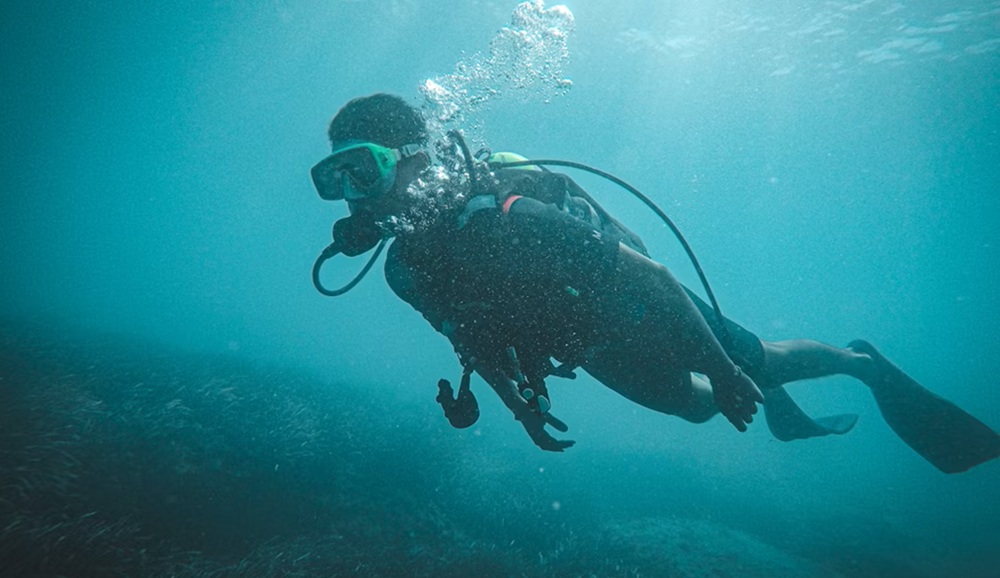
Many new divers think the adventure ends once they decide to leave the bottom, but a safe ascent is just as important as a safe descent. Rising too quickly can expose your body to unnecessary pressure changes and increase the risk of diving-related injuries.
Always ascend at the pace recommended by your instructor or dive computer. Throughout the ascent:
- Continue breathing normally.
- Stay close to your instructor or buddy.
- Maintain good buoyancy.
- Watch your surroundings as well as your depth.
Moving upward in a controlled manner is one of the most important Safety Tips for New Divers, and it should become a habit on every dive, regardless of your experience level.
Continue Following Instructions After the Dive
Safety doesn’t stop when you reach the surface. Once you leave the water, there are still several important practices to follow.
After your dive:
- Drink plenty of water to stay hydrated.
- Remove your equipment carefully.
- Tell your instructor if you experienced any discomfort.
- Record your dive if you’re keeping a logbook.
- Relax and allow your body to recover.
If you’re planning another dive later in the day, listen carefully to your instructor’s recommendations regarding surface intervals and preparation for the next dive.
Pay Attention to Weather and Ocean Conditions
Ocean conditions can change throughout the day, even at well-known dive sites.
Professional dive centers continuously evaluate factors such as:
- Wave height.
- Wind strength.
- Water visibility.
- Surface conditions.
- Current direction.
If an instructor decides to postpone, relocate, or cancel a dive due to changing conditions, remember that this decision is made with everyone’s safety in mind.
Flexible plans are often a sign of responsible dive operations.
Continue Learning After Your First Dive
The safest divers are those who never stop learning.
As your confidence grows, consider expanding your knowledge through additional training and experience. Every course introduces new skills that help you become more comfortable underwater.
Topics you may explore later include:
- Buoyancy improvement.
- Underwater navigation.
- Deep diving.
- Night diving.
- Emergency response.
- Marine life identification.
Building your skills gradually creates a strong foundation for years of enjoyable recreational diving.
Develop Safe Habits That Last a Lifetime
Many experienced divers follow the same routine before every dive, regardless of how many dives they’ve completed.
These habits include:
- Checking equipment carefully.
- Reviewing the dive plan.
- Monitoring air frequently.
- Maintaining good buoyancy.
- Staying close to a buddy.
- Respecting the marine environment.
- Ending the dive with plenty of air remaining.
Developing these routines early means they soon become automatic, making every future dive safer and more enjoyable.
Final Thoughts
Following the right Safety Tips for New Divers doesn’t require special talent or years of experience. It begins with simple decisions: choosing a reputable dive center, listening carefully to your instructor, preparing properly, communicating openly, and respecting both your personal limits and the underwater environment.
Every confident diver started as a beginner, and every safe diver built their skills one dive at a time. By focusing on steady progress instead of rushing ahead, you’ll gain experience naturally while reducing unnecessary risks.
Scuba diving opens the door to an incredible underwater world filled with vibrant coral reefs, fascinating marine life, and unforgettable memories. When safety becomes part of every dive, you’ll be free to relax, explore with confidence, and fully appreciate everything the ocean has to offer.
Whether your goal is to complete a Discover Scuba Diving experience or continue toward full certification, these Safety Tips for New Divers will help you build the confidence and knowledge needed to enjoy many safe adventures beneath the surface.