
What Should You Bring for Your First Dive?
Preparing for your first scuba adventure is exciting, but it’s also natural to wonder what you should pack before heading to the dive center. While professional dive operators provide the essential scuba equipment, bringing a few personal items can make your experience much more comfortable from start to finish. If you’ve already read What Happens During Your First Dive?, you’ll know that a relaxed and well-prepared diver enjoys the experience far more than someone who arrives feeling rushed or unorganized.
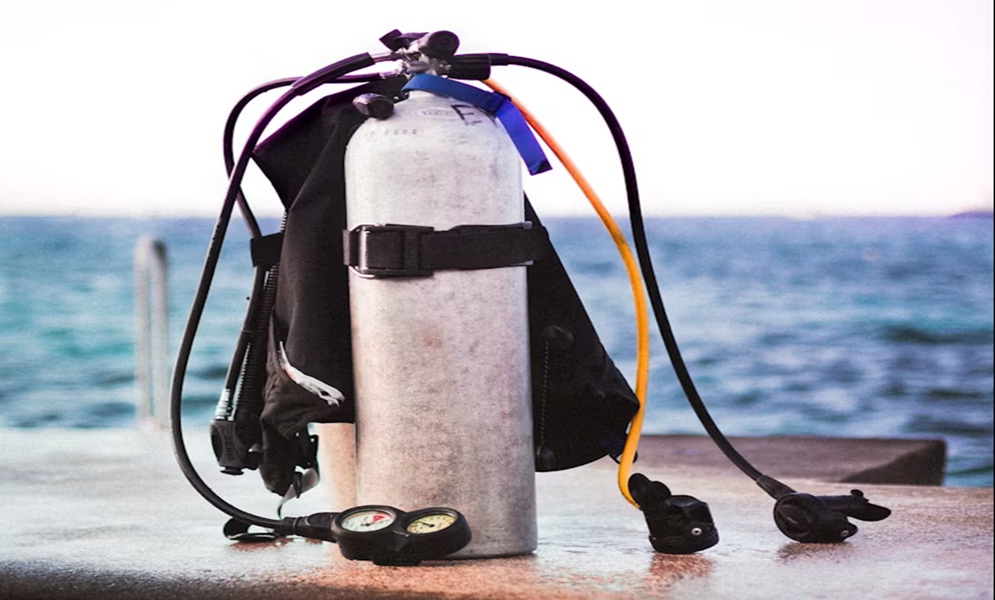
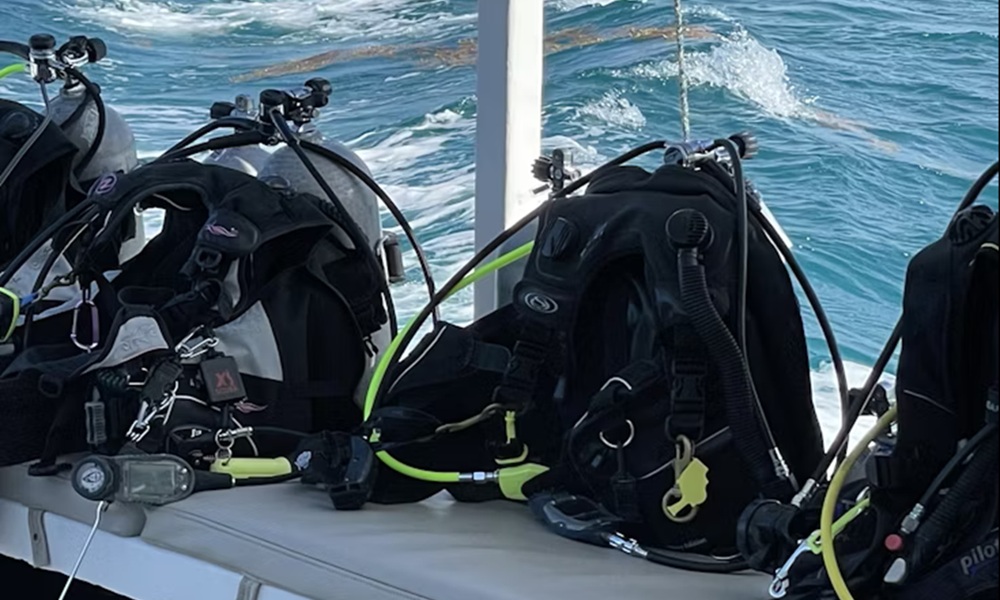
The good news is that you don’t need to carry a suitcase full of diving gear. Most beginner scuba diving programs, including Discover Scuba Diving experiences, include high-quality rental equipment such as masks, fins, regulators, buoyancy control devices (BCDs), wetsuits, and scuba tanks. Your responsibility is simply to bring personal essentials that help you stay comfortable before, during, and after the dive.
Whether you’re planning to explore Amed’s colorful coral reefs, discover tropical marine life, or experience breathing underwater for the first time, knowing exactly what to bring allows you to focus on enjoying the adventure instead of worrying about forgotten items.
Why Packing Smart Makes a Difference
Many first-time divers assume scuba diving requires extensive preparation. In reality, experienced dive centers handle almost everything related to equipment and safety.
However, arriving with the right personal belongings offers several advantages:
- A smoother check-in process.
- Greater personal comfort.
- Better protection from the tropical sun.
- Less stress before your dive.
- More time to enjoy the overall experience.
Good preparation isn’t about bringing more things—it’s about bringing the right things.
Essential Identification and Booking Information
Before leaving for your dive, make sure you have the documents you’ll need for registration.
These typically include:
- A valid photo ID or passport.
- Your booking confirmation.
- Certification card (if you’re already a certified diver).
- Any required medical information requested by the dive center.
Many dive operators also accept digital confirmations on your phone, but it’s always wise to ensure your battery is fully charged before arriving.
Having everything ready helps the registration process move quickly and allows you to spend more time preparing for your underwater adventure.
Comfortable Clothing Is the Best Choice
One of the simplest ways to prepare is by wearing comfortable clothing that can be changed easily.
Good choices include:
- Lightweight T-shirts.
- Comfortable shorts.
- Breathable athletic wear.
- Flip-flops or sandals.
Avoid wearing tight clothing that’s difficult to remove after getting wet.
Most dive centers provide changing rooms, making it easy to switch into your wetsuit before the dive and back into dry clothes afterward.
Bring a Swimsuit
Although you’ll wear a wetsuit during the dive, you’ll still need a swimsuit underneath.
Choose swimwear that feels comfortable while moving and swimming. Since you’ll be wearing scuba equipment over your wetsuit, avoid swimsuits with bulky decorations, metal accessories, or anything that could become uncomfortable beneath the equipment.
A properly fitting swimsuit helps you stay comfortable throughout the day, especially if you’re planning multiple dives.
Protect Yourself from the Sun
Even though much of your adventure takes place underwater, you’ll still spend time above the surface before and after the dive.
The tropical sun in Bali can be surprisingly strong, so it’s wise to bring:
- Reef-safe sunscreen.
- Sunglasses with UV protection.
- A wide-brimmed hat or cap.
- A lightweight long-sleeved shirt.
Whenever possible, apply sunscreen well before entering the water so it has time to absorb into your skin.
Choosing reef-safe products also helps protect the delicate coral reef ecosystem you’ll soon be exploring.
Pack a Towel and Dry Clothes
This may seem obvious, but many beginners forget to pack a towel.
After your dive, you’ll appreciate having:
- A large towel.
- A dry T-shirt.
- Comfortable shorts or lightweight pants.
- Fresh underwear if needed.
Changing into dry clothing after diving feels refreshing, particularly if you’re continuing your day by exploring Amed or enjoying lunch nearby.
Simple preparations like these can make the entire experience much more enjoyable.
Stay Hydrated Throughout the Day
Hydration is an important part of safe scuba diving.
Although many dive centers provide drinking water, bringing your own reusable water bottle is always a good idea.
Drinking enough water before and after diving can help you:
- Stay comfortable in the tropical climate.
- Reduce fatigue.
- Support normal recovery after your dive.
- Feel energized throughout the day.
Try to avoid arriving dehydrated, especially after long car journeys or spending time in the sun.
Leave Valuable Items at Home
While preparing for your first dive, it’s equally important to think about what you shouldn’t bring.
Expensive jewelry, luxury watches, and unnecessary valuables are best left at your hotel.
Although reputable dive centers provide secure areas for personal belongings, minimizing valuables reduces unnecessary concerns and allows you to focus entirely on the diving experience.
If you carry a wallet, bring only the essentials you’ll need for the day.
Don’t Forget Your Positive Attitude
The most valuable thing you can bring isn’t something that fits inside your backpack.
Bring curiosity.
Bring patience.
Bring a willingness to learn.
Every experienced diver remembers being a beginner. No one expects you to know everything before your first dive. Dive professional instructors are there to guide you through each step, answer your questions, and help you build confidence at a pace that feels comfortable for you.
Arriving with an open mind often becomes the key to transforming first-time nervousness into one of the most memorable adventures of your life.
Optional Items That Can Enhance Your Dive
While the essentials are usually enough for an enjoyable experience, a few optional items can make your first dive even more convenient.
Consider bringing:
- A reusable water bottle.
- Lip balm with SPF.
- A small waterproof bag for personal belongings.
- Hair ties if you have long hair.
- Motion sickness medication if you’re joining a boat dive (take it only if appropriate for you and according to the instructions).
- A lightweight microfiber towel that dries quickly.
These items aren’t required, but they can add extra comfort throughout your diving day.
Should You Bring Your Own Diving Equipment?
If this is your very first scuba dive, the answer is usually no.
Professional dive centers provide properly maintained equipment that has been selected to suit beginner divers. Before entering the water, your instructor will ensure every piece of equipment fits correctly and explain how it works.
If you already own personal diving gear, such as a dive mask or dive computer, ask the dive center in advance whether you’d like to use your own equipment. Many divers eventually purchase personal gear after gaining more experience, but there is no need to invest in expensive equipment before discovering whether scuba diving is the right hobby for you.
Is an Underwater Camera Necessary?
Many beginners want to capture every moment of their first dive. While underwater photos are wonderful keepsakes, constantly focusing on a camera can distract you from learning important skills.
For your first dive, it’s usually better to concentrate on:
- Breathing comfortably.
- Following your instructor.
- Practicing underwater communication.
- Enjoying the marine life around you.
Many dive centers offer underwater photography services, allowing professional guides to take photos while you focus on the experience itself.
A Small Snack Can Be Helpful
Depending on your schedule, you may spend several hours at the dive center.
Packing a light snack can help maintain your energy before or after diving. Good choices include:
- Fresh fruit.
- Granola bars.
- Nuts.
- Whole-grain crackers.
Avoid eating a heavy meal immediately before entering the water. A balanced, light meal is generally more comfortable for most people.
Review Your Packing List Before Leaving
Before heading to the dive center, take one final look through your bag.
A simple checklist might include:
- Identification.
- Booking confirmation.
- Swimsuit.
- Towel.
- Dry clothes.
- Reef-safe sunscreen.
- Sunglasses.
- Hat.
- Water bottle.
- Light snack.
- Waterproof bag for personal items.
Having everything prepared before you leave home reduces stress and helps you arrive feeling organized and ready for your adventure.
Build Confidence Before Entering the Water
If you’re still feeling slightly nervous, spending a few minutes learning about scuba diving beforehand can make a big difference. Reading a Beginner Guide to Underwater Breathing is an excellent way to understand how breathing through a regulator works and why it quickly becomes comfortable for most new divers.
The more familiar you are with the process before arriving, the easier it is to relax, listen to your instructor, and enjoy every moment of your first underwater experience.
Knowing what should you bring for your first dive is less about packing expensive equipment and more about preparing yourself for a comfortable, enjoyable day. Professional dive centers provide the technical gear, while you simply need to bring practical personal items, appropriate clothing, and a positive attitude.
By planning ahead, staying hydrated, protecting yourself from the sun, and keeping your packing list simple, you’ll be free to focus on what really matters—discovering the incredible underwater world for the first time.
Whether you’re exploring the vibrant reefs of Amed, swimming alongside colorful tropical fish, or taking your very first breaths beneath the surface, good preparation helps ensure your experience is safe, memorable, and filled with excitement from beginning to end