

What Happens During Your First Dive?
For many people, the idea of breathing underwater is both exciting and intimidating. If you’re planning your first scuba experience, it’s completely natural to wonder what will happen from the moment you arrive until you surface after your dive. Understanding each step can replace uncertainty with confidence and help you enjoy every moment beneath the waves. If you’re planning your First Time Diving in Amed Bali, knowing what to expect before entering the water will make the entire experience much more relaxing and enjoyable.
Many beginners also ask whether scuba diving is physically demanding or difficult to learn. The truth is that most first-time divers are surprised by how comfortable the experience becomes after proper instruction and guidance. If you’ve ever wondered, Is Scuba Diving Difficult for Beginners?, the answer largely depends on choosing a professional dive center, listening carefully during the briefing, and taking each step at your own pace rather than rushing through the process.
Your first dive is carefully designed to introduce you to the underwater world in a safe, controlled, and enjoyable environment. Professional instructors understand that every beginner starts with different levels of confidence, so they focus on making sure you feel comfortable before entering the ocean. In beautiful Amed, Bali, calm conditions, warm tropical waters, and abundant marine life create an ideal setting for a memorable first scuba diving experience.
Arriving at the Dive Center
The adventure begins long before you enter the water. After arriving at the dive center, you’ll be welcomed by friendly staff who will guide you through the registration process. This usually includes completing a short medical questionnaire to ensure scuba diving is appropriate for your current health condition.
Once the paperwork is finished, your instructor will introduce themselves and explain how the day will unfold. This is the perfect opportunity to ask questions, no matter how simple they may seem. Whether you’re curious about breathing underwater, equalizing your ears, or seeing colorful fish, experienced instructors are happy to answer everything.
Unlike many adventure sports, scuba diving emphasizes preparation over speed. The more informed you are before entering the water, the more relaxed you’ll feel throughout your first dive.
Meeting Your Instructor
One of the biggest advantages of a beginner scuba diving experience is the close supervision you’ll receive. During your first dive, you won’t be exploring alone. Your instructor remains beside you throughout the entire dive, monitoring your comfort, safety, and confidence.
Before beginning any practical activities, your instructor will get to know your swimming experience, comfort level in the water, and any concerns you may have. This conversation helps them adapt their teaching style to your individual needs.
A professional instructor understands that some beginners are excited while others feel nervous. Both reactions are perfectly normal. Their goal is to help you build confidence one step at a time.
Learning the Basic Scuba Equipment
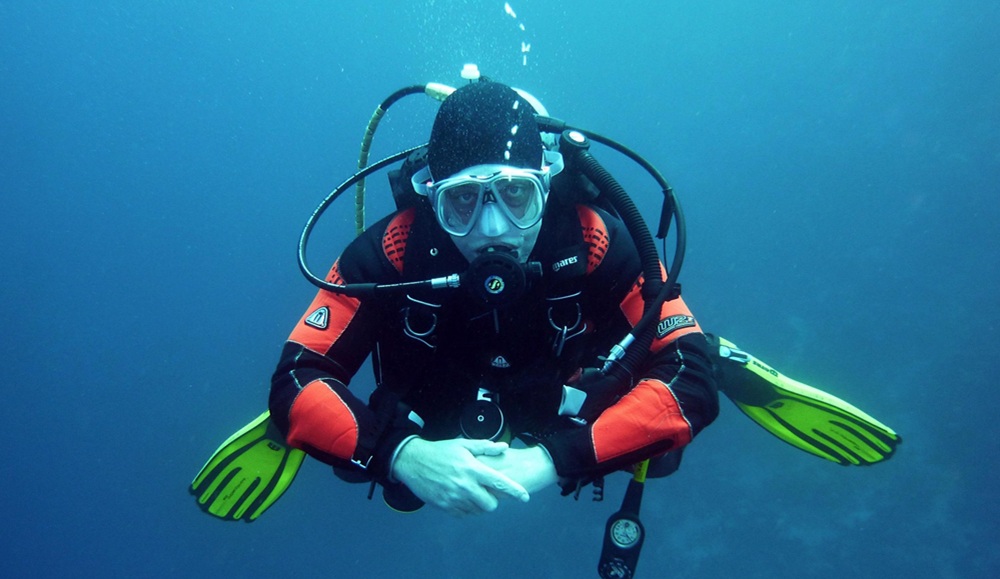
Before entering the ocean, you’ll become familiar with the scuba equipment you’ll be using. At first glance, the gear may appear complicated, but each component serves a simple purpose.
Your instructor will explain the function of:
- The scuba tank, which stores compressed breathing air.
- The regulator, allowing you to breathe naturally underwater.
- The buoyancy control device (BCD), which helps control floating and descending.
- The pressure gauge, showing how much air remains.
- The dive mask for clear underwater vision.
- The fins that make swimming more efficient.
- The weight system used to achieve comfortable buoyancy.
You’ll also learn how to assemble or inspect parts of the equipment, although your instructor will handle most technical preparations. Understanding your gear builds confidence and removes much of the mystery surrounding scuba diving.
Understanding the Safety Briefing
Every successful first dive begins with a comprehensive safety briefing. This is one of the most important parts of your experience because it prepares you for everything you’ll encounter underwater.
During the briefing, your instructor explains:
- How to breathe slowly and continuously.
- Why you should never hold your breath.
- Basic underwater hand signals.
- How to communicate if you feel uncomfortable.
- Equalizing your ears while descending.
- Staying close to your instructor.
- Respecting marine life without touching it.
Rather than overwhelming you with information, instructors focus on practical knowledge that you’ll immediately use during your dive.
Practicing Essential Skills Before Entering the Water
Before heading into deeper water, you’ll practice a few simple skills in shallow water or a confined training area.
These exercises typically include:
- Breathing through the regulator.
- Clearing water from your mask.
- Recovering the regulator if it accidentally leaves your mouth.
- Inflating and deflating your BCD.
- Practicing underwater communication.
Many beginners are surprised by how quickly these skills become natural. With an instructor providing encouragement and guidance, most people gain confidence within a short period.
Remember, there is no pressure to rush. If you need extra practice, your instructor will happily spend more time helping you feel comfortable before continuing.
Taking Your First Breath Underwater
For nearly every diver, the most unforgettable moment comes when they take their very first breath underwater.
Although your brain may initially expect something unusual, breathing through a scuba regulator feels surprisingly natural after just a few breaths. The key is to breathe slowly, calmly, and continuously.
Your instructor will encourage you to pause for a moment, relax, and simply focus on your breathing. Once you realize that breathing underwater is comfortable, much of the initial nervousness disappears.
This moment often transforms anxiety into excitement. Suddenly, the underwater world begins to feel peaceful rather than unfamiliar.
Entering the Ocean at a Comfortable Pace
After practicing your skills, it’s finally time to enter the ocean. Depending on the dive site, you may walk in from the beach or enter from a dive boat.
For beginners in Amed, shore dives are particularly popular because they allow for a gradual entry into calm, shallow water. There’s no need to jump into deep water or rush the process.
Your instructor will remain close, checking that your equipment fits correctly and ensuring you’re comfortable before beginning the descent.
Once everyone is ready, the real adventure begins as you slowly descend beneath the surface, discovering a completely different world waiting below
Beginning Your Descent
The first descent is often the moment when excitement and curiosity come together. Rather than dropping quickly, your instructor will guide you downward at a slow, comfortable pace. You’ll have plenty of time to adjust, relax, and become familiar with the sensation of being underwater.
As you descend, you’ll be reminded to equalize the pressure in your ears every few feet. This simple technique—usually performed by gently pinching your nose and blowing softly—helps prevent discomfort and allows you to continue descending comfortably. If you ever feel pressure that doesn’t go away, your instructor will stop immediately and help you before moving deeper.
A successful descent is never rushed. Every diver moves at their own pace, and feeling comfortable is always more important than reaching a certain depth.
Discovering a Completely New Environment
Once you reach the planned depth, you’ll notice how different the underwater world feels compared to the surface. Sounds become quieter, movements become slower, and many first-time divers describe the experience as peaceful and almost weightless.
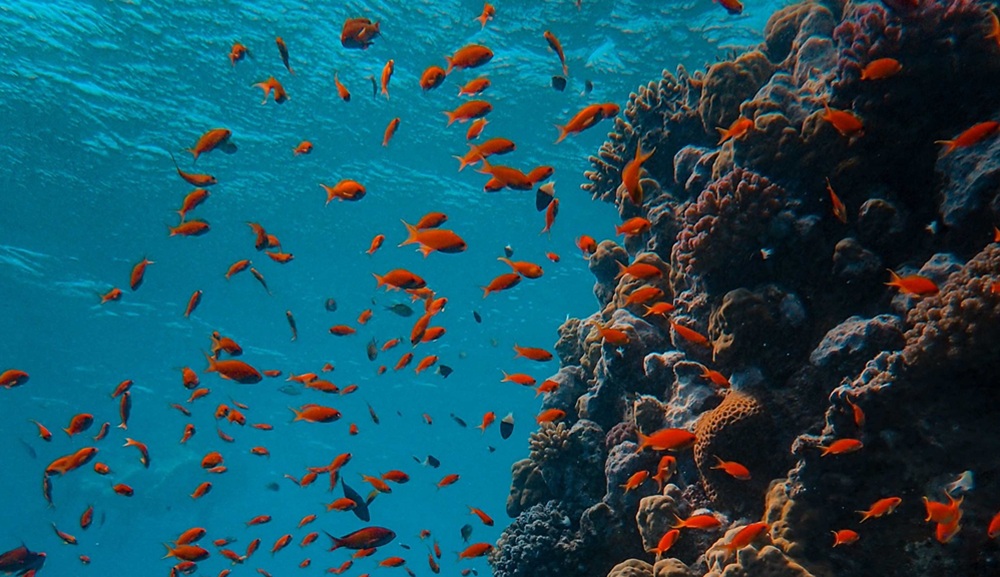
Instead of focusing on swimming quickly, your instructor will encourage you to look around and simply enjoy your surroundings. Coral gardens, colorful reef fish, and fascinating underwater landscapes create an environment unlike anything on land.
If you’re enjoying your first scuba diving experience, this is usually the moment when any remaining nervousness fades away. Curiosity replaces anxiety as you begin noticing details that are impossible to appreciate from the surface.
Learning to Control Your Buoyancy
One of the most interesting parts of scuba diving is learning buoyancy control. Unlike swimming, where you’re constantly fighting gravity, scuba diving allows you to float almost effortlessly when your buoyancy is balanced correctly.
During your first dive, your instructor manages most of the adjustments while teaching you the basics. You’ll learn that buoyancy depends on several factors, including:
- Your breathing pattern.
- The amount of air inside your BCD.
- Your body position in the water.
- The weights you are wearing.
Many beginners are surprised to discover that slow, relaxed breathing naturally helps stabilize buoyancy. Taking calm breaths allows you to move smoothly through the water without unnecessary effort.
Perfect buoyancy takes practice, so don’t expect to master it during your very first dive. Every certified diver continues improving this skill throughout their diving journey.
Communicating Without Words
Since talking underwater isn’t possible, scuba divers rely on a universal set of hand signals. Fortunately, only a few basic signals are needed for your first dive.
Some of the most common include:
- “OK”
- “Go up”
- “Go down”
- “Stop”
- “Look over there”
- “Low on air”
Your instructor will check on you regularly by giving the “OK” signal. If you’re comfortable, simply respond with the same signal.
This simple communication system makes diving surprisingly easy. Even if you don’t share the same spoken language as other divers, underwater hand signals allow everyone to communicate clearly and safely.
Seeing Marine Life for the First Time
For many people, marine life becomes the highlight of their first dive. Amed is well known for its healthy coral reefs and incredible biodiversity, making every descent an opportunity to discover something new.
Depending on the dive site and the season, you may encounter:
- Butterflyfish
- Angelfish
- Clownfish
- Parrotfish
- Lionfish
- Moray eels
- Blue-spotted stingrays
- Sea turtles
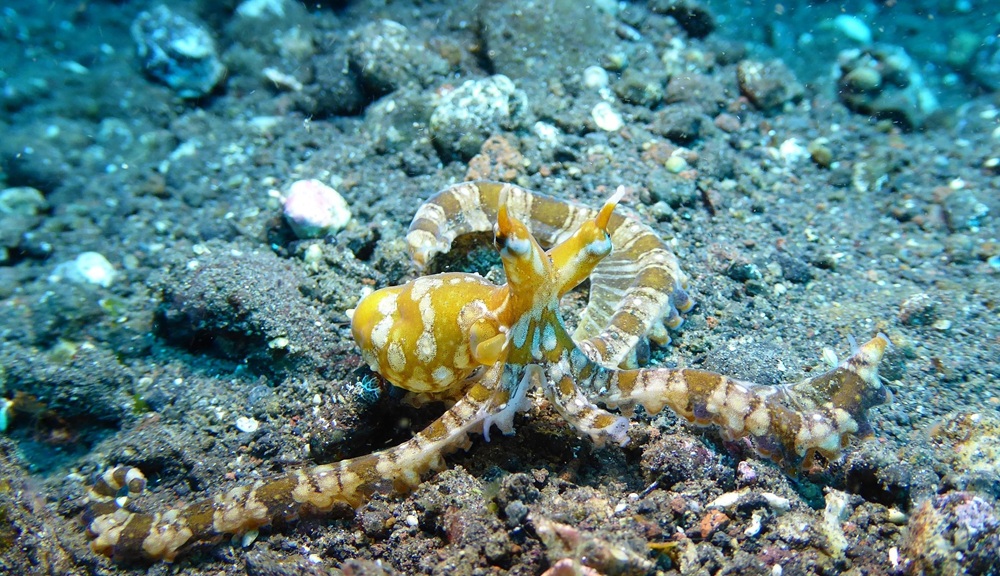
- Reef octopus
- Colorful nudibranchs
Rather than chasing marine animals, your instructor will encourage you to observe quietly from a respectful distance. Remaining calm allows wildlife to behave naturally, often resulting in better sightings and unforgettable underwater moments.
Every dive is different, which means no two underwater adventures are exactly alike.
Staying Calm Throughout the Dive
Feeling a little nervous during your first few minutes underwater is perfectly normal. Fortunately, most beginners become much more relaxed once they focus on breathing slowly and following their instructor.
If you ever feel anxious, there is no need to panic. Your instructor is trained to recognize signs of discomfort and will help you regain confidence.
Simple techniques that help include:
- Slowing your breathing.
- Looking at your instructor.
- Avoiding sudden movements.
- Focusing on the beautiful underwater scenery.
- Remembering that you can end the dive whenever necessary.
One of the biggest misconceptions about scuba diving is that every dive must continue exactly as planned. In reality, professional instructors continuously adapt the experience based on how each student feels.
Swimming Through the Reef
As your confidence grows, you’ll begin moving slowly through the reef while maintaining a comfortable distance from the bottom.
This is where many divers experience the true magic of scuba diving. Sunlight filters through the clear tropical water, schools of tropical fish swim around the coral, and every direction reveals something fascinating to observe.
Rather than covering long distances, beginner dives emphasize quality over quantity. You’ll move slowly enough to appreciate tiny details, including colorful corals, small reef creatures, and interesting underwater formations that many people overlook.
The slower you move, the more you’ll discover.
Monitoring Your Air Supply
Throughout the dive, your instructor regularly checks your remaining air supply. You’ll also learn how to read your pressure gauge so you understand how much breathing gas remains in your cylinder.
Many first-time divers worry about running out of air, but this is extremely unlikely during a professionally guided introductory dive.
Your instructor carefully plans the dive using conservative safety limits and begins returning to the surface with plenty of air remaining.
Learning to monitor your air consumption is one of the first habits that eventually becomes second nature as you gain more diving experience.
Returning to the Surface
Eventually, your instructor will signal that it’s time to end the dive. Rather than swimming directly upward, you’ll ascend slowly while continuing to breathe normally.
A controlled ascent is just as important as the descent. Ascending gradually allows your body to adjust safely to changing pressure and is a standard part of responsible scuba diving.
Before reaching the surface, your instructor may pause briefly for a final safety check if appropriate for the dive profile. Once back at the surface, you’ll inflate your BCD, remove your regulator only when instructed, and take a moment to reflect on what you’ve just accomplished.
For many beginners, surfacing brings a sense of achievement mixed with excitement. It’s common to hear first-time divers say they were nervous beforehand but couldn’t wait to dive again after experiencing the underwater world for themselves
After Your First Dive
Returning to the surface is only the beginning of the experience. Once you’re back at the dive center or on the boat, your instructor will help you remove your equipment and ask how you felt during the dive. This informal debriefing gives you the chance to discuss what you enjoyed most, ask additional questions, and better understand the skills you practiced underwater.
Many first-time divers are amazed by how different they feel after surfacing. Instead of the nervousness they expected before entering the water, they often describe a sense of accomplishment, relaxation, and excitement. Taking your first breaths underwater and exploring a coral reef is an experience that stays with you for years.
Your instructor may also review your air consumption, buoyancy, and overall comfort. This feedback isn’t about judging your performance—it’s designed to help you improve if you decide to continue your scuba diving journey with additional training.
Common Beginner Mistakes
Every diver starts as a beginner, so making small mistakes is completely normal. The good news is that these are easy to correct with proper guidance and practice.
Some common beginner mistakes include:
- Breathing too quickly because of excitement.
- Looking down constantly instead of keeping a balanced body position.
- Forgetting to equalize early during the descent.
- Moving their hands too much instead of using gentle fin kicks.
- Trying to touch coral or marine life.
- Becoming distracted and forgetting to enjoy the surroundings.
Professional instructors anticipate these challenges and provide gentle reminders throughout the dive. Their goal is to help you build safe diving habits from the very beginning.
What You May Feel Afterward
After your first dive, you may notice that you’re pleasantly tired. Swimming, carrying equipment, and concentrating on new skills require energy, but most people describe it as a rewarding kind of fatigue.
Emotionally, many beginners experience a boost in confidence. Something that once seemed impossible—breathing underwater—now feels completely achievable. This confidence often encourages people to continue exploring the underwater world through additional dives or certification courses.
You might also find yourself replaying special moments from the dive, such as seeing a sea turtle glide past, watching schools of tropical fish, or simply floating effortlessly above a vibrant coral reef.
Tips for an Even Better First Dive
Although every dive is unique, a few simple habits can make your first scuba diving experience even more enjoyable:
- Get a good night’s sleep before diving.
- Stay well hydrated throughout the day.
- Eat a light meal before your dive.
- Listen carefully during the briefing.
- Never hesitate to ask questions.
- Breathe slowly and naturally underwater.
- Move calmly and avoid rushing.
- Respect marine life by observing without touching.
- Trust your instructor and follow their guidance.
These small preparations can make a significant difference in your overall comfort and confidence.
Why Amed Is an Excellent Place for Beginners
Amed has become one of Bali’s most popular destinations for learning to scuba dive, and it’s easy to understand why. The area offers calm conditions, excellent visibility for much of the year, and a wide variety of beginner-friendly dive sites.
Warm tropical water allows divers to focus on enjoying the experience rather than worrying about cold temperatures. The colorful coral reefs support an incredible diversity of marine life, giving beginners plenty to see even on their very first dive.
Another advantage is the relaxed atmosphere. Unlike busier tourist destinations, Amed offers a slower pace that helps first-time divers feel comfortable from the moment they arrive. Combined with experienced instructors and well-organized dive centers, it’s an ideal location to begin your underwater adventure.
Your Underwater Journey Has Just Begun
Your first dive is much more than a single activity—it’s the start of discovering an entirely new world beneath the ocean’s surface. Every certified diver remembers the excitement of that first descent, the first breath underwater, and the incredible feeling of floating weightlessly among tropical marine life.
Whether you decide to dive occasionally during vacations or continue toward becoming a certified diver, the experience provides memories and skills that last a lifetime.
If you’ve been wondering what happens during your first dive, the answer is simple: you’ll learn, explore, overcome your initial fears, and discover that scuba diving is far more peaceful and accessible than many people imagine. With professional guidance, proper preparation, and a positive attitude, your first underwater adventure can become the beginning of a lifelong passion for exploring the ocean