

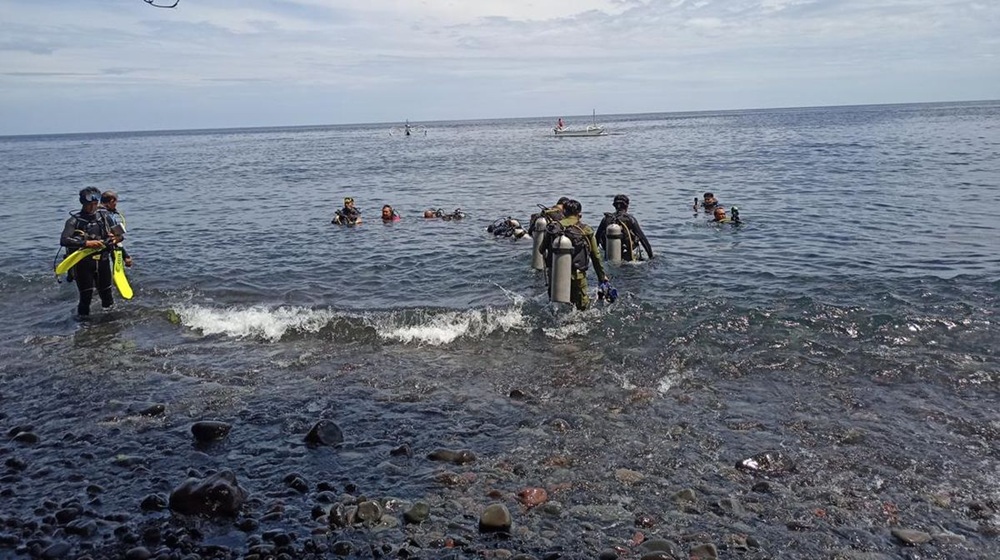
For anyone planning a scuba diving trip to East Bali, one question comes up again and again: Should you dive in Amed or Tulamben? Both destinations are internationally recognized, located only a short drive apart, and offer exceptional underwater experiences. Yet they are quite different in terms of atmosphere, dive site variety, travel style, and the type of diver they attract.
Choosing between them isn’t always easy because neither destination is objectively “better.” Instead, each has its own strengths. Some travelers are drawn to Amed’s diverse reefs and relaxed coastal lifestyle, while others visit Tulamben specifically for its famous wreck diving.
This guide compares the two destinations across the factors that matter most, helping you decide which diving area best matches your interests and travel goals.
Location and Accessibility
Amed and Tulamben are neighboring coastal communities on Bali’s northeastern shoreline. Traveling between the two takes roughly 20 to 30 minutes by car, making it easy to visit both during the same vacation.
Despite their proximity, each destination offers a different travel experience.
Amed stretches along several kilometers of coastline with multiple villages, beaches, restaurants, accommodations, and dive centers. Tulamben, by comparison, is smaller and more concentrated around a handful of well-known dive sites.
If you’re planning a longer diving holiday, Amed often provides more choices for accommodations, dining, and activities outside the water.
Overall Diving Experience
One of the biggest differences lies in the overall diving experience rather than any single dive site.
Amed offers variety. Divers can spend several days exploring coral gardens, reef slopes, artificial reefs, volcanic formations, walls, shallow macro habitats, and nearby wrecks without feeling repetitive.
Tulamben is more specialized. Although it has several excellent dive sites, its worldwide reputation has largely been built around one legendary attraction—the USAT Liberty Wreck.
Travelers who enjoy exploring different underwater environments often appreciate Amed’s diversity, while wreck enthusiasts naturally gravitate toward Tulamben.
Coral Reef Diversity
Healthy coral reefs can be found throughout both regions, but the style of diving differs.
In Amed, coral formations extend across multiple sites, creating a wide range of underwater landscapes. Divers can experience expansive reef systems, coral slopes, artificial reef projects, and vibrant shallow habitats that support countless marine species.
Tulamben also features beautiful coral growth, especially around its volcanic coastline. However, much of the coral development is closely associated with its wreck sites and nearby reefs.
For visitors whose primary interest is reef exploration, Amed generally offers greater diversity throughout an extended stay.
Wreck Diving Opportunities
When discussing wreck diving, Tulamben immediately earns international recognition.
The USAT Liberty Wreck is one of the world’s most accessible and celebrated shipwreck dives. Resting close to shore, it attracts divers from nearly every corner of the globe.
Amed, meanwhile, features the Japanese Shipwreck, a much smaller historical wreck that has gradually transformed into an artificial reef rich with marine life.
These two wrecks provide completely different experiences.
The Liberty Wreck impresses through its enormous size and historical significance, while the Japanese Shipwreck offers a quieter setting with abundant coral growth and macro photography opportunities.
For divers whose vacation revolves around exploring a famous wreck, Tulamben has a clear advantage.
Marine Life Encounters
Both destinations support impressive biodiversity, but underwater encounters often vary according to habitat.
Amed’s mix of reefs, sandy bottoms, artificial structures, and volcanic formations creates habitats for numerous reef fish, invertebrates, turtles, cephalopods, and macro species.
Tulamben also offers rich biodiversity, particularly around the Liberty Wreck, where marine life has transformed the vessel into a thriving ecosystem.
Rather than comparing which destination has more marine life, it’s more accurate to say each offers different viewing opportunities depending on the dive site selected.
Divers interested in exploring a wider variety of underwater habitats may find Amed especially rewarding.
Underwater Photography
Photographers often evaluate destinations differently than recreational divers.
Amed provides outstanding flexibility because photographers can choose among colorful reefs, macro environments, artificial reef structures, volcanic scenery, and shallow coral gardens.
Tulamben remains famous for dramatic wreck photography, wide-angle compositions, and the contrast between historical steel structures and thriving coral growth.
If your photography portfolio focuses on wrecks, Tulamben is difficult to beat.
If you enjoy photographing a broad range of underwater subjects during one trip, Amed offers more variety.
Surface Atmosphere
The experience above the water is just as important as the diving itself.
Amed has gradually developed into a relaxed coastal destination where visitors can spend several days enjoying local cafés, restaurants, beachfront accommodations, fishing villages, and scenic coastal roads.
The atmosphere encourages visitors to slow down and enjoy both the ocean and local culture.
Tulamben is considerably quieter and more focused on diving activities.
Many travelers arrive, complete several dives, and continue to another destination.
Those planning a longer vacation often find Amed provides a more balanced travel experience beyond scuba diving alone.
Suitable for Different Travel Styles
Every diver travels differently.
Some visitors want a dedicated diving trip with several dives every day.
Others prefer combining underwater adventures with sightseeing, local culture, and relaxing evenings overlooking the ocean.
Amed is particularly well suited to travelers who enjoy mixing diving with a broader Bali holiday.
Tulamben appeals strongly to visitors whose primary goal is exploring one of the world’s most famous wreck dives.
Neither travel style is better—they simply serve different expectations.
Accommodation Choices
Accommodation is another area where noticeable differences appear.
Because Amed extends across several villages, visitors can choose from budget guesthouses, boutique hotels, beachfront bungalows, private villas, and luxury resorts.
This broader selection allows travelers to find accommodations matching almost any budget.
Tulamben also offers comfortable places to stay, although the overall selection is smaller due to the community’s more compact size.
Visitors planning longer stays may appreciate the wider accommodation options available in Amed.
Dining and Local Amenities
During a multi-day diving vacation, convenient restaurants and local services become increasingly important.
Amed features numerous cafés, seafood restaurants, coffee shops, convenience stores, and small businesses serving international and Indonesian travelers.
The wider range of dining options allows visitors to experience different cuisines throughout their stay.
Tulamben provides essential facilities as well, but choices are naturally more limited because of its smaller size.
Travelers who enjoy exploring local restaurants after diving often prefer staying in Amed.
Which Destination Is Better for Families?
Families traveling together don’t always spend every day underwater.
Some family members may dive while others relax, enjoy the beach, or explore nearby attractions.
Because Amed offers more accommodation styles, restaurants, scenic viewpoints, and recreational opportunities, it generally provides greater flexibility for mixed-interest family vacations.
Tulamben is ideal for diving-focused trips but offers fewer alternatives for non-diving companions.
Can You Visit Both?
Absolutely.
In fact, many experienced divers recommend combining both destinations into a single itinerary.
Since Amed and Tulamben are located so close together, staying in Amed while scheduling a day trip to the Liberty Wreck allows visitors to experience the highlights of both regions.
This approach combines Amed’s diverse reef diving with Tulamben’s iconic wreck diving without requiring separate accommodations.
For many travelers, this creates the most complete East Bali diving experience.
Which Destination Should You Choose?
Your decision depends on the type of diving holiday you want.
Choose Amed if you value:
- Diverse dive sites
- Multiple reef environments
- Longer vacations
- Greater accommodation choices
- Local culture
- Relaxed coastal atmosphere
- Flexible diving itineraries
Choose Tulamben if your main priority is:
- The USAT Liberty Wreck
- Historic wreck diving
- Short diving trips
- Wreck photography
- Focused diving schedules
There is no wrong decision because both destinations rank among Bali’s finest underwater locations.
Comparing Amed and Tulamben isn’t really about determining a winner. Instead, it’s about identifying which destination better matches your personal diving interests.
If you’re looking for variety, flexibility, beautiful reefs, comfortable accommodations, and a relaxing coastal environment, Amed offers an exceptional all-around diving holiday.
If your dream has always been to explore one of the world’s most famous shipwrecks, Tulamben deserves a place on your itinerary.
Fortunately, their close proximity means you don’t have to choose only one. Combining both destinations allows you to experience the incredible diversity that has made East Bali one of Southeast Asia’s premier scuba diving regions