

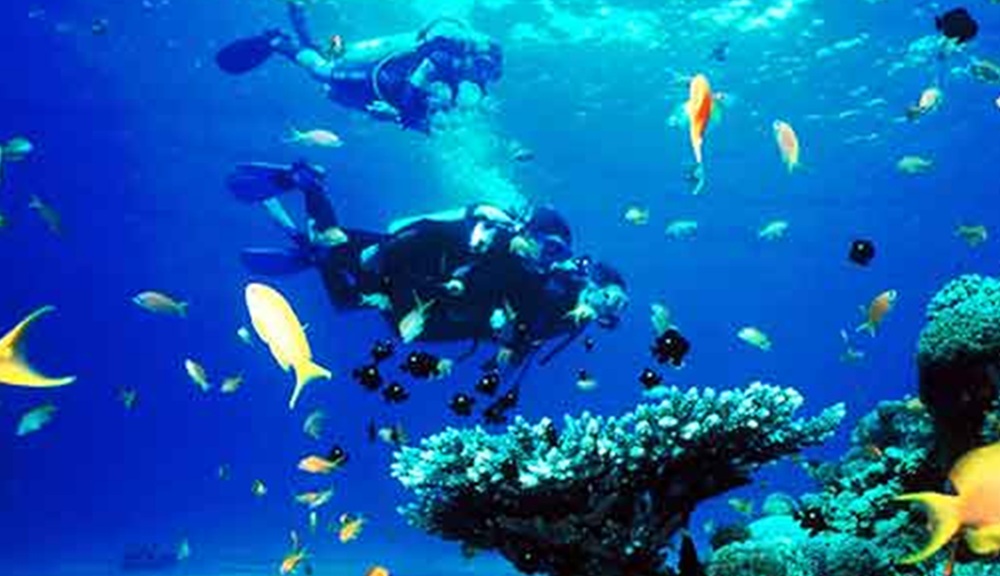
Discover The Amazing Marine Life in Amed Bali
Amed is widely recognized as one of Bali’s most rewarding diving destinations, not only because of its calm conditions but also because of its extraordinary biodiversity beneath the surface. If you’re planning a Beginner Diving Experience in Bali, exploring the Marine Life in Amed Bali is an unforgettable way to discover the island’s underwater beauty. From colorful reef fish to graceful sea turtles, every dive offers the chance to encounter fascinating marine creatures in their natural habitat.
Unlike many crowded dive destinations, Amed provides a peaceful underwater environment where healthy coral reefs support an impressive variety of tropical marine species. Divers of all experience levels can enjoy close encounters with vibrant schools of fish, tiny macro creatures, and occasionally larger pelagic visitors, making every dive unique.
One reason divers continue returning year after year is the remarkable balance between accessibility and biodiversity. Whether you’re taking your very first dive or already have dozens of logged dives, you’ll quickly understand Why Amed is Perfect for First-Time Divers while appreciating the incredible marine ecosystems that flourish along this coastline. Calm conditions, excellent visibility, and diverse habitats create ideal opportunities to observe marine life without feeling overwhelmed.
Why Marine Life in Amed Bali Is So Diverse
The underwater landscape around Amed is far from uniform. Instead of a single reef system, you’ll find a combination of coral gardens, volcanic slopes, artificial reefs, sandy bottoms, and dramatic walls. Each environment attracts different marine species, creating an impressive level of biodiversity within a relatively small area.
Several natural factors contribute to the richness of Marine Life in Amed Bali, including:
- Warm tropical water throughout the year.
- Healthy coral reef ecosystems.
- Volcanic underwater terrain.
- Moderate water movement that supplies nutrients.
- Protected bays suitable for coral growth.
- A wide range of diving depths.
These conditions allow both large and microscopic marine organisms to thrive, giving divers something new to discover during every visit.
Colorful Coral Reefs Full of Life
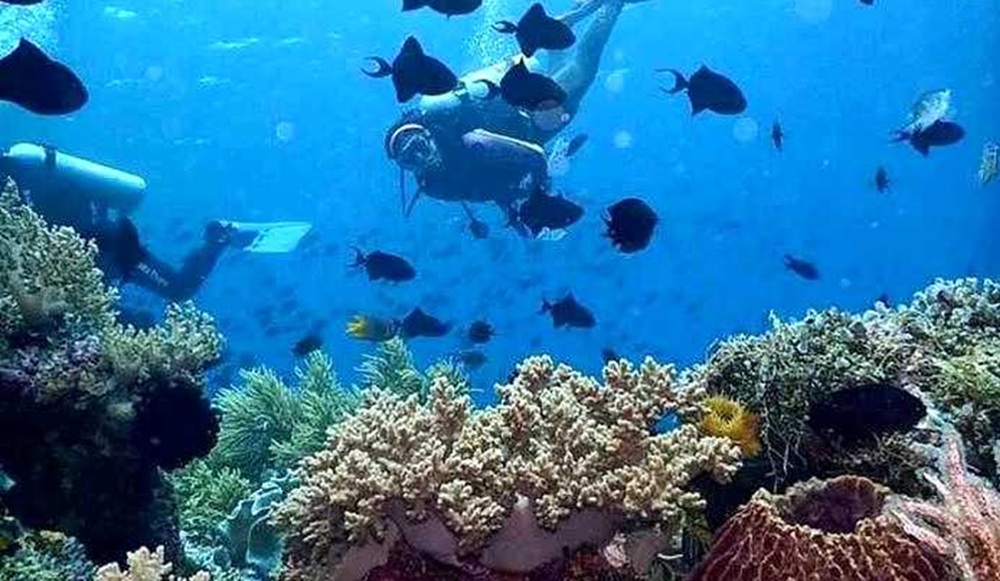
Healthy coral reefs form the foundation of Amed’s underwater ecosystem. Rather than simply serving as beautiful scenery, coral colonies provide food, shelter, and breeding grounds for countless marine species.
As you glide over the reef, you’ll notice hard corals creating intricate structures while soft corals sway gently with the current. Their different shapes, textures, and colors transform the seafloor into a vibrant underwater landscape.
Among these coral formations, divers often encounter:
- Butterflyfish.
- Angelfish.
- Damselfish.
- Wrasses.
- Triggerfish.
- Parrotfish.
- Anthias.
Each species plays a unique role in maintaining the health and balance of the reef ecosystem.
Tropical Reef Fish Everywhere You Look
One of the greatest highlights of Marine Life in Amed Bali is the sheer number of tropical reef fish that inhabit its dive sites.
Unlike larger marine animals that may appear only occasionally, reef fish are present throughout nearly every dive. Their constant movement brings energy and color to the underwater environment.
You may observe schools of fish swimming together for protection while solitary species patrol coral heads in search of food. Watching these natural behaviors offers a fascinating glimpse into the complexity of life beneath the ocean’s surface.
Popular reef fish commonly seen around Amed include:
- Bannerfish.
- Surgeonfish.
- Goatfish.
- Sweetlips.
- Fusiliers.
- Cardinalfish.
- Hawkfish.
Because different species prefer different habitats, every dive site provides its own distinctive collection of marine life.
Sea Turtles: One of Amed’s Most Loved Encounters
Few underwater experiences are as memorable as seeing a sea turtle glide effortlessly through clear tropical water.
Green sea turtles and hawksbill turtles are among the most admired animals found within the Marine Life in Amed Bali. While sightings can never be guaranteed, turtles are regularly encountered around healthy reef systems where they feed or rest.
Divers should always remember to enjoy these encounters responsibly. Following established Safety Tips for New Divers and maintaining a respectful distance allows turtles to continue their natural behavior without unnecessary disturbance.
Watching a turtle swim gracefully across the reef often becomes one of the defining memories of a diving trip to Amed.
Tiny Creatures That Macro Divers Love
While many visitors focus on larger marine animals, Amed is equally famous for its incredible macro life.
Small marine creatures hide among coral branches, volcanic sand, and patches of seagrass, rewarding divers who take the time to look closely.
Macro enthusiasts frequently search for:
- Colorful nudibranchs.
- Pygmy seahorses.
- Shrimp species.
- Crabs.
- Blennies.
- Gobies.
- Pipefish.
These tiny animals may measure only a few centimeters, yet they display extraordinary colors, patterns, and behaviors that make underwater photography especially rewarding.
Unlike fast-moving pelagic species, macro subjects encourage divers to slow down, improve buoyancy, and carefully observe the finer details of the reef ecosystem.
Curious Moray Eels Hidden Among the Rocks
One of the more intriguing residents of the Marine Life in Amed Bali is the moray eel. Although their open mouths and sharp teeth may appear intimidating, moray eels are generally shy and prefer to remain inside rocky crevices or coral formations.
Several species can be found around Amed, each displaying unique colors and patterns. Divers often spot only the eel’s head emerging from its hiding place while it waits patiently for small fish or crustaceans.
The best approach is simply to observe from a respectful distance. Avoid placing your hands inside holes or under ledges, as these spaces often serve as shelter for many marine animals.
Octopus: Masters of Camouflage
Among the smartest creatures living within the Marine Life in Amed Bali is the octopus.
These fascinating animals are capable of changing both color and texture within seconds to blend perfectly with their surroundings. Because of this remarkable camouflage, many divers swim past them without ever realizing one is nearby.
If you’re fortunate, you may witness an octopus:
- Crawling across volcanic rocks.
- Changing color while hunting.
- Collecting shells for protection.
- Hiding inside small coral cavities.
Observing these intelligent animals in their natural habitat is always a highlight for underwater photographers and marine life enthusiasts.
Rays and Reef Sharks
Although not guaranteed on every dive, some sites around Amed occasionally reward divers with sightings of blue-spotted stingrays or blacktip reef sharks.
These animals are naturally cautious around humans and typically move away long before divers get too close. Their presence is actually a positive sign, as healthy predator populations often indicate a balanced marine ecosystem.
Seeing one of these graceful creatures reminds divers that Amed’s reefs support life at every level of the food chain.
The Amazing World of Artificial Reefs
Not all underwater habitats in Amed are natural. Over the years, several artificial reef projects have helped create new homes for marine organisms while supporting coral restoration efforts.
Concrete structures, reef modules, and carefully placed underwater installations now attract countless fish, invertebrates, and coral colonies.
As these structures mature, they become almost indistinguishable from natural reefs, demonstrating how responsible conservation initiatives can encourage marine biodiversity.
Many beginner divers are surprised to discover how quickly marine life colonizes these artificial environments.
The Japanese Shipwreck: A Living Underwater Habitat
One of Amed’s most famous dive sites is the Japanese Shipwreck.
Although relatively small compared to larger wreck dives elsewhere in Indonesia, this historic site has become an important refuge for marine life.
The wreck now supports:
- Soft corals.
- Hard coral colonies.
- Lionfish.
- Glassfish.
- Scorpionfish.
- Nudibranchs.
- Various reef fish.
Every section of the wreck offers new opportunities to observe marine organisms using the structure as shelter, feeding grounds, or breeding habitat.
The combination of history and marine biodiversity makes this site especially popular among underwater photographers.
Coral Gardens Filled With Constant Activity
Some dive sites in Amed feature expansive coral gardens where marine life is constantly in motion.
Rather than searching for a single spectacular animal, divers can simply hover above the reef and watch dozens of species interacting at the same time.
You may notice:
- Cleaner wrasses removing parasites from larger fish.
- Damselfish protecting their territory.
- Parrotfish grazing on algae.
- Schools of anthias moving above the coral.
- Tiny shrimp cleaning moray eels.
These everyday interactions reveal how complex and interconnected reef ecosystems truly are.
Marine Life Changes Throughout the Year
One of the reasons experienced divers enjoy returning to Amed is that no two dives are ever exactly alike.
Seasonal variations in water temperature, currents, and plankton availability can influence which marine species are most active.
Depending on the time of year, divers may encounter:
- Larger schools of reef fish.
- Increased macro activity.
- Seasonal nudibranch species.
- Juvenile fish hiding among coral.
- Occasional pelagic visitors passing offshore.
This variety means that even frequent visitors continue discovering something new.
Responsible Diving Protects Marine Life
The future of Marine Life in Amed Bali depends on responsible diving practices.
Every diver can contribute to marine conservation by following simple guidelines:
- Maintain good buoyancy.
- Never touch coral.
- Observe marine animals without chasing them.
- Avoid feeding wildlife.
- Use reef-safe sunscreen whenever possible.
- Secure all loose equipment before entering the water.
- Leave every dive site exactly as you found it.
Small actions performed consistently by thousands of divers help preserve Amed’s underwater ecosystem for future generations.
Best Time to See Marine Life in Amed Bali
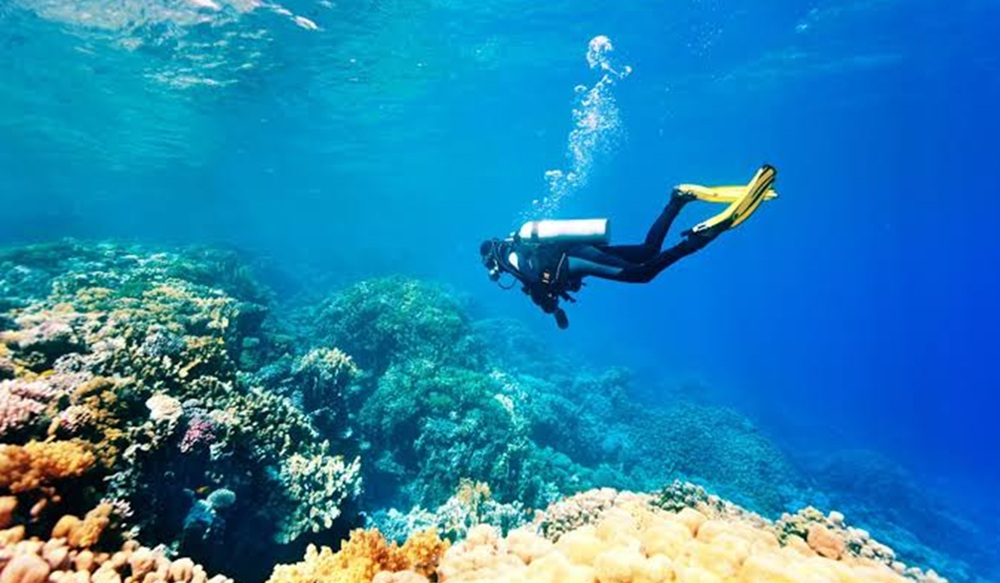
One of the advantages of diving in Amed is that marine life can be enjoyed throughout the year. Thanks to Bali’s tropical climate and relatively stable sea temperatures, the underwater environment remains active in every season.
However, conditions may vary depending on the weather, tides, and water movement. During periods of excellent visibility, divers can fully appreciate the vibrant coral reefs and observe fish from a greater distance. On other days, slightly richer nutrients in the water may attract more plankton, increasing opportunities to see larger marine animals.
Regardless of the season, every dive offers a different experience, making Marine Life in Amed Bali exciting for both first-time visitors and experienced divers.
Tips for Photographing Marine Life
Capturing underwater memories requires patience more than expensive equipment. Marine animals behave naturally when divers remain calm and avoid sudden movements.
For better underwater photographs:
- Move slowly and deliberately.
- Keep a safe distance from marine animals.
- Never chase fish for a closer shot.
- Allow wildlife to approach naturally.
- Control your buoyancy before using your camera.
- Avoid touching coral while taking photographs.
Respectful photography not only produces more natural images but also helps protect the fragile reef ecosystem.
Marine Conservation Makes a Difference
The impressive biodiversity found around Amed exists because healthy reefs continue to support countless marine species. Local dive operators, conservation groups, and coastal communities have contributed to reef restoration, underwater cleanups, and environmental education that encourage responsible tourism.
Many dive centers also participate in activities such as:
- Coral restoration projects.
- Reef monitoring programs.
- Beach and underwater cleanups.
- Marine conservation awareness.
- Responsible diving education.
These efforts help preserve Marine Life in Amed Bali while allowing visitors to enjoy the underwater world without placing unnecessary pressure on delicate ecosystems.
Why Marine Life Makes Every Dive Unique
No two dives in Amed are ever exactly the same.
One day you may spend your entire dive watching sea turtles feeding peacefully on the reef. On another, your attention could be captured by tiny nudibranchs, a well-hidden octopus, or a school of shimmering fusiliers moving across the reef.
Even familiar dive sites reveal something different with each visit because marine animals constantly move, feed, hide, and interact with their surroundings.
This unpredictability is one of the reasons divers continue returning to Amed year after year. Every descent offers a new opportunity to witness another remarkable moment beneath the surface.
A Destination for Every Type of Diver
Whether you’re experiencing scuba diving for the first time or already have hundreds of logged dives, Amed offers underwater encounters suitable for every skill level.
Beginners appreciate the calm conditions and abundant reef fish found in shallow areas, while certified divers enjoy exploring deeper reefs, walls, artificial reef structures, and historic wreck sites that attract a wider variety of marine species.
Underwater photographers, macro enthusiasts, marine biology lovers, and recreational divers all find something special within the rich ecosystems that define Marine Life in Amed Bali.
The extraordinary Amed Marine Life is one of the region’s greatest natural treasures. Healthy coral reefs, diverse underwater habitats, and warm tropical waters combine to create an environment where countless marine species can thrive.
From colorful reef fish and graceful sea turtles to fascinating nudibranchs, octopuses, moray eels, and thriving coral gardens, every dive presents new discoveries waiting beneath the surface.
More importantly, these underwater ecosystems remind us that the ocean is a living environment deserving of respect and protection. By practicing responsible diving, maintaining excellent buoyancy, and following environmentally friendly diving habits, every visitor can contribute to preserving Amed’s remarkable marine biodiversity.
If you’re looking for an unforgettable diving destination in Bali, few places offer the diversity, accessibility, and natural beauty found in Marine Life in Amed Bali. Every dive is more than an adventure—it’s an opportunity to experience one of Indonesia’s richest underwater ecosystems while creating memories that will last a lifetime.