

Common Beginner Diving Mistakes
Starting your scuba diving journey is an unforgettable experience, but every new diver faces a learning curve. Making small mistakes during your first few dives is completely normal, and experienced instructors expect beginners to have questions as they build confidence underwater. Preparing in advance by reading helpful resources such as What Should You Bring for Your First Dive? can reduce unnecessary stress and help you arrive ready to enjoy your adventure.
One of the biggest misconceptions about scuba diving is that beginners must perform perfectly from the very beginning. In reality, recreational diving is designed to be learned gradually. Professional instructors focus on teaching safe habits while helping new divers become comfortable with their equipment, breathing techniques, and the underwater environment.
This guide explores the most common beginner diving mistakes, explains why they happen, and provides practical advice to help you avoid them. By recognizing these mistakes before entering the water, you’ll enjoy a safer, more relaxing, and more rewarding diving experience.
Why Do Beginners Make Diving Mistakes?
Every new skill comes with a period of adjustment, and scuba diving is no exception. Beginners are processing a lot of new information at once—learning to use unfamiliar equipment, communicate underwater, control buoyancy, and observe their surroundings.
Because everything is new, small errors are part of the learning process rather than signs of failure.
The good news is that beginner mistakes are usually easy to correct through proper instruction, patience, and repeated practice. Each dive builds experience, making future dives smoother and more enjoyable.
Mistake #1: Not Paying Full Attention During the Dive Briefing
The dive briefing may seem like a simple introduction, but it contains essential information about your upcoming dive.
During the briefing, your instructor explains:
- Entry and exit procedures.
- Maximum planned depth.
- Underwater hand signals.
- Safety rules.
- Marine life awareness.
- Emergency procedures.
Some beginners become distracted because they’re excited to enter the water as quickly as possible. However, missing even a small detail can lead to unnecessary confusion underwater.
Listening carefully allows you to begin your dive with greater confidence and a clear understanding of what to expect.
Mistake #2: Descending Too Fast
Excitement sometimes causes beginners to descend more quickly than they should.
A controlled descent gives your body time to adjust to increasing water pressure while allowing you to equalize your ears comfortably.
Descending too rapidly may cause:
- Ear discomfort.
- Difficulty equalizing.
- Increased anxiety.
- Poor buoyancy control.
Professional instructors always encourage beginners to descend slowly while maintaining steady breathing and staying close to their guide.
Remember that there is never a prize for reaching the bottom first. A slow, relaxed descent is one of the foundations of safe scuba diving.
Mistake #3: Breathing Too Quickly
Breathing patterns have a major influence on both comfort and safety underwater.
Many first-time divers begin taking rapid, shallow breaths simply because they feel excited or unfamiliar with breathing through a regulator.
Fortunately, this habit usually disappears once divers relax and become accustomed to the underwater environment.
If you’d like to better understand this essential skill, reading a Beginner Guide to Underwater Breathing before your dive can help you feel more confident and develop proper breathing habits from the very beginning.
Slow, continuous breathing offers several advantages:
- Reduces stress.
- Improves buoyancy.
- Conserves air.
- Helps maintain better control underwater.
- Makes the entire dive feel more relaxing.
Whenever you notice yourself breathing too quickly, pause, slow your movements, and return your attention to calm, natural breathing.
Mistake #4: Looking Only Straight Ahead
One mistake many beginners don’t realize they’re making is keeping their eyes focused only in front of them.
The underwater world exists in every direction.
Some of the most interesting marine life can be found:
- Above you.
- Below coral ledges.
- Inside small crevices.
- Along sandy bottoms.
- Around reef walls.
By slowing down and looking around carefully, you’ll discover colorful fish, fascinating invertebrates, and unique underwater landscapes that many hurried divers miss completely.
Moving slowly also reduces the chance of accidentally disturbing marine life.
Mistake #5: Using Too Much Energy
New divers sometimes believe they need to swim continuously to move through the water.
In reality, scuba diving rewards slow, efficient movement.
Common signs of wasted energy include:
- Fast fin kicks.
- Excessive arm movements.
- Constant adjustments to body position.
- Racing ahead of the instructor.
Using unnecessary energy increases your breathing rate and causes faster air consumption.
Instead, allow your buoyancy to support your body while using gentle fin movements to glide comfortably through the water. Experienced divers often appear almost effortless because they let the water do much of the work
Mistake #6: Touching Coral and Marine Life
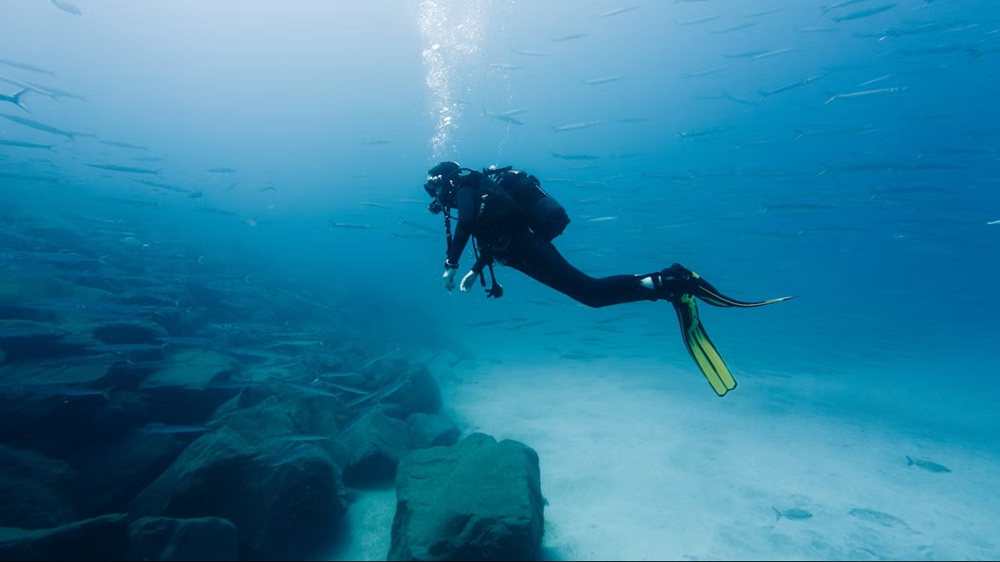
One of the most common beginner diving mistakes is trying to touch everything that looks interesting underwater. Coral reefs may appear solid like rocks, but they are actually living organisms that can be easily damaged.
Touching marine life can also be risky. Some creatures protect themselves with venom, sharp spines, or defensive behavior. Even harmless-looking animals may become stressed when approached too closely.
Instead of reaching out, practice responsible diving by:
- Keeping a respectful distance from marine life.
- Observing animals without interfering with their natural behavior.
- Maintaining good buoyancy to avoid accidental contact with the reef.
- Taking only photographs and leaving only bubbles behind.
Respecting the underwater environment helps preserve Amed’s beautiful reefs for future generations of divers.
Mistake #7: Ignoring Buoyancy Control
Many beginners focus so much on swimming that they forget about buoyancy. However, proper buoyancy is one of the most important scuba diving skills.
Poor buoyancy can cause divers to:
- Drift too close to coral.
- Accidentally stir up sand.
- Float upward unexpectedly.
- Use more energy than necessary.
Don’t worry if buoyancy feels challenging at first. It improves naturally with experience, and your instructor will help you make small adjustments throughout the dive.
The more relaxed your breathing becomes, the easier buoyancy control usually feels.
Mistake #8: Forgetting to Monitor Your Air Supply
Another mistake that new divers occasionally make is paying so much attention to the underwater scenery that they forget to check their pressure gauge.
Professional instructors monitor everyone’s air supply, but developing the habit of checking your own gauge is an important part of becoming a confident diver.
Regularly monitoring your air allows you to:
- Understand your breathing rate.
- Plan a comfortable return to the surface.
- Build good diving habits for future dives.
This simple routine soon becomes second nature.
Mistake #9: Not Drinking Enough Water
Hydration is often overlooked, especially in warm tropical destinations.
Before and after diving, your body benefits from drinking plenty of water. Staying hydrated can help reduce fatigue and support your overall comfort during the day.
Try to:
- Drink water before arriving at the dive center.
- Continue drinking between dives if you’re making multiple dives.
- Avoid excessive alcohol before diving.
- Eat balanced meals throughout the day.
Good hydration supports a more enjoyable diving experience.
How to Avoid Common Beginner Diving Mistakes
The easiest way to avoid beginner mistakes is to approach every dive with patience rather than trying to perform like an experienced diver.
A few simple habits can make a significant difference:
- Listen carefully during every briefing.
- Ask questions whenever something isn’t clear.
- Breathe slowly and continuously.
- Descend gradually.
- Stay close to your instructor.
- Move calmly through the water.
- Monitor your air supply regularly.
- Respect marine life and coral reefs.
- Focus on enjoying the experience rather than rushing.
These habits help build confidence and create a solid foundation for every future dive.
Every Experienced Diver Was Once a Beginner
It’s easy to admire experienced divers who appear completely comfortable underwater, but every one of them began exactly the same way—learning basic skills, making small mistakes, and gradually improving through practice.
Scuba diving isn’t about perfection. It’s about continuous learning, developing safe habits, and becoming more comfortable with each dive.
Every underwater adventure teaches something new, whether it’s improving buoyancy, becoming more efficient with air consumption, or simply feeling more relaxed beneath the surface.
Understanding the common beginner diving mistakes before your first dive can help you enjoy a smoother and more rewarding experience. Most mistakes happen because beginners are excited, eager to learn, or unfamiliar with the underwater environment—not because they’re doing something wrong intentionally.
With guidance from professional instructors, proper preparation, and a willingness to learn, these early mistakes quickly become valuable lessons that build confidence and improve your diving skills.
Whether you’re planning your very first dive in Amed or preparing for your first scuba certification course, remember that every dive is an opportunity to learn something new. Stay relaxed, follow your instructor’s guidance, respect the ocean, and enjoy every moment of exploring the incredible underwater world