

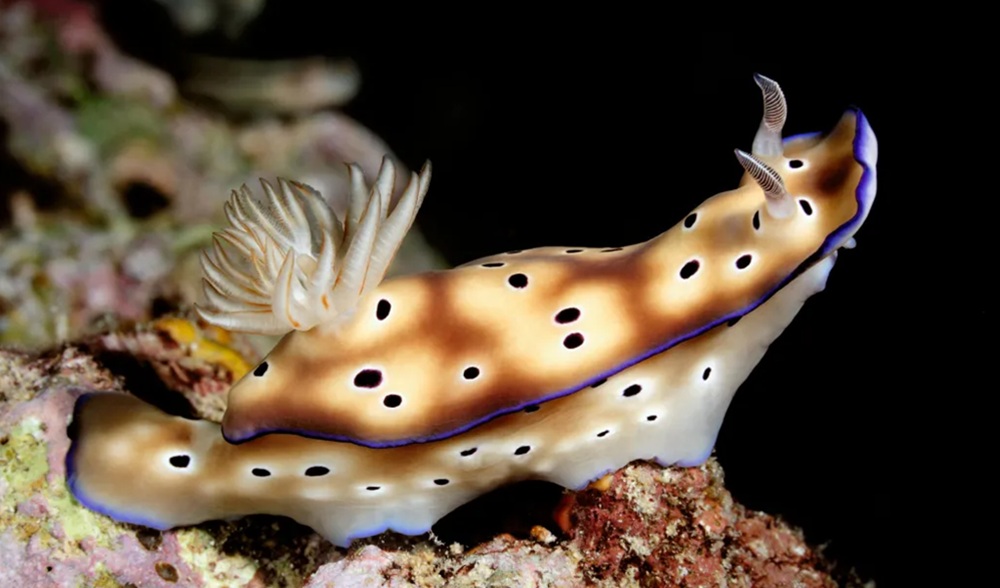
Nudibranch Hunting in Amed A Paradise for Macro Underwater Photography
For divers who appreciate the smallest details beneath the surface, Nudibranch Hunting in Amed offers an unforgettable underwater adventure. While many visitors come to Amed for its colorful coral reefs and famous shipwrecks, experienced divers know that some of the most fascinating discoveries are only a few centimeters long. This peaceful corner of East Bali has become one of Indonesia’s favorite destinations for underwater macro enthusiasts, attracting photographers and marine biologists eager to document rare sea slugs and other tiny reef inhabitants. Whether you are new to underwater photography or an experienced macro diver, exploring Macro Diving in Amed reveals an entirely different world hidden among coral rubble, volcanic sand, and reef crevices.
Unlike larger marine animals that can often be spotted from a distance, nudibranchs require patience, a trained eye, and slow diving techniques. Every dive becomes a treasure hunt where the excitement comes from discovering species with extraordinary colors, intricate patterns, and unique body shapes. A single dive may reveal half a dozen different species, while an exceptionally lucky day could reward divers with more than twenty varieties. This element of surprise is exactly what makes Nudibranch Hunting in Amed so addictive for returning visitors.
Many divers initially overlook the incredible biodiversity found around Amed because they focus on turtles, reef sharks, or schools of tropical fish. However, once they begin searching for nudibranchs, they realize the reefs are filled with hidden life. Careful observation also reveals countless Fish Species in Amed, including juvenile reef fish, gobies, blennies, frogfish, pipefish, and other fascinating creatures that share the same habitat as nudibranchs. These tiny marine residents create endless opportunities for underwater photographers looking to capture unique and rarely seen subjects.
Why Amed Is One of Bali’s Best Nudibranch Destinations
Several environmental factors make Amed one of Bali’s most productive locations for finding nudibranchs. The coastline combines volcanic sand, coral gardens, artificial reefs, rocky slopes, and healthy reef ecosystems within relatively short distances. This diversity creates ideal habitats for many nudibranch species that depend on specific coral, sponge, hydroid, or algae communities for food and reproduction.
Another advantage is the generally calm sea conditions throughout much of the year. Good visibility combined with gentle currents allows divers to move slowly while carefully examining every section of the reef. Since nudibranchs often measure less than five centimeters, slow and controlled diving is essential for successful sightings.
The wide variety of dive sites also means no two dives are ever exactly alike. Shallow coral gardens may host brightly colored chromodorids, while darker volcanic slopes often reveal cryptic species that blend perfectly with their surroundings. Experienced dive guides understand these subtle habitat differences and know where certain nudibranch species are more likely to appear depending on seasonal conditions.
By taking time to search carefully rather than swimming quickly across the reef, divers often discover extraordinary biodiversity that many recreational divers completely miss during ordinary sightseeing dives.
Understanding the Fascinating World of Nudibranchs
Despite often being mistaken for sea snails, nudibranchs belong to a remarkable group of soft-bodied marine gastropods that lose their protective shells after reaching adulthood. Their vibrant appearance serves various biological purposes, including camouflage, warning predators, or mimicking toxic organisms.
Scientists have identified more than 3,000 nudibranch species worldwide, with many found throughout the rich waters of the Indo-Pacific region. Indonesia, positioned within the Coral Triangle, supports one of the greatest concentrations of nudibranch diversity on Earth, making Amed an exceptional place to encounter these remarkable animals.
Each species has evolved unique feeding habits. Some specialize in consuming sponges, while others feed exclusively on hydroids, soft corals, bryozoans, or sea anemones. Because their diets are highly specialized, experienced guides often search near the nudibranchs’ preferred food sources instead of randomly scanning the reef.
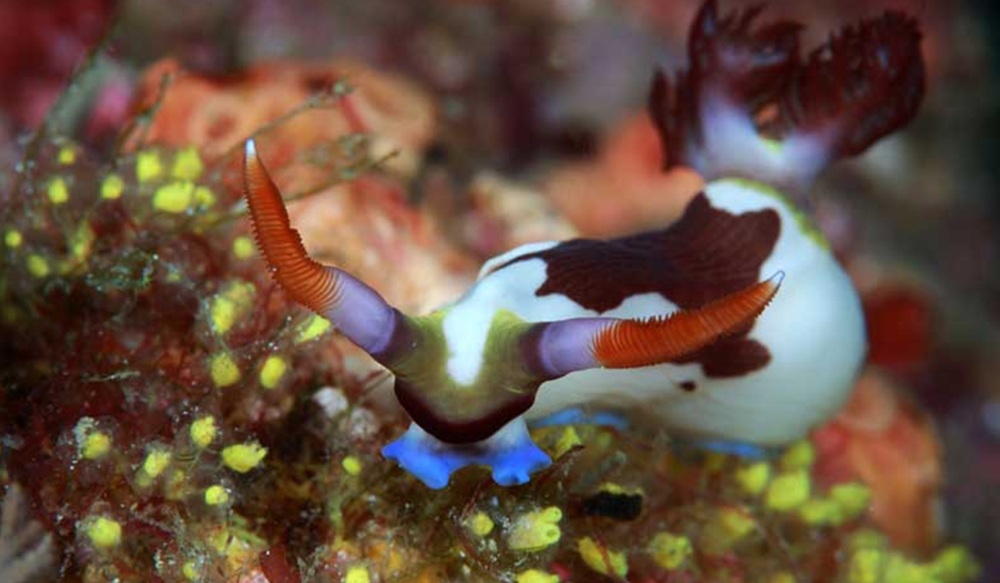
One of the most fascinating characteristics of nudibranchs is their extraordinary color variation. Brilliant blues, vivid oranges, deep purples, bright yellows, electric greens, and striking black-and-white patterns create spectacular photographic subjects that appear almost unreal beneath the water.
The Excitement of Searching Instead of Simply Diving
Unlike traditional reef dives that emphasize covering large distances, Nudibranch Hunting in Amed encourages divers to slow down dramatically. Every rock, coral branch, sponge, and patch of algae deserves careful attention because a rare species could be hiding only centimeters away.
This slower approach changes the entire diving experience. Rather than chasing large marine animals, divers become completely immersed in observing the reef’s smallest inhabitants. Many photographers spend several minutes capturing different angles of a single nudibranch before moving only a few meters to continue searching.
The process also develops stronger underwater observation skills. Divers gradually learn to recognize subtle movements, textures, and color contrasts that would normally go unnoticed during conventional dives.
Perhaps the greatest reward comes from spotting an unusual species that few divers have ever photographed. These unexpected discoveries transform every dive into an exciting underwater expedition filled with curiosity and continuous learning.
Biodiversity Beyond Nudibranchs
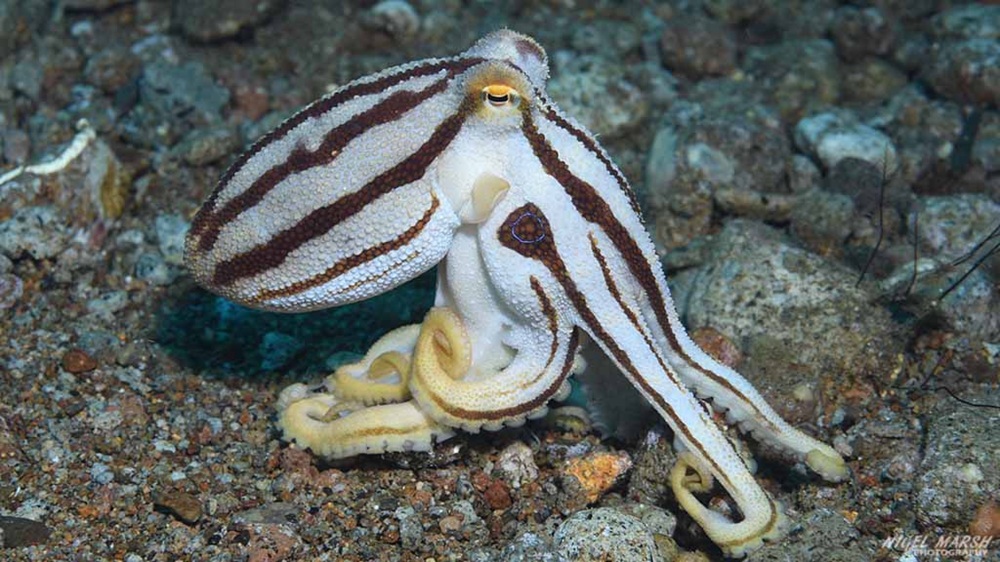
Although nudibranchs are undoubtedly the stars of these specialized dives, they represent only one small part of the incredible Marine Life in Amed Bali. Careful exploration frequently reveals pygmy seahorses, ghost pipefish, decorator crabs, shrimp living among soft corals, porcelain crabs, squat lobsters, tiny octopuses, flatworms, colorful sea stars, feather stars, and countless other macro subjects.
The rich ecosystem surrounding Amed supports an astonishing range of marine organisms across different habitats. Healthy coral reefs provide shelter for juvenile reef fish, while volcanic sand slopes host cryptic species perfectly adapted to their environment. Artificial reefs have further increased habitat diversity, attracting new marine life that continues to enrich the underwater ecosystem each year.
For underwater photographers, this biodiversity means every dive offers fresh creative opportunities. Even when nudibranch sightings are fewer than expected, countless alternative macro subjects ensure the dive remains productive and visually rewarding.
Best Dive Sites for Nudibranch Hunting in Amed
One of the greatest advantages of Nudibranch Hunting in Amed is the variety of dive sites located within a relatively short stretch of coastline. Each location features unique underwater terrain, allowing divers to encounter different nudibranch species depending on depth, substrate, and seasonal conditions.
Jemeluk Bay is widely appreciated for its calm conditions and healthy coral gardens. The mixture of hard corals, soft corals, and scattered volcanic rocks creates excellent hiding places for colorful chromodorid nudibranchs. Early morning dives here often provide ideal lighting for underwater photography while marine life is particularly active.
Pyramid Reef is another rewarding destination. The artificial reef structures have matured over the years, attracting a remarkable diversity of invertebrates. Divers searching slowly around the reef modules frequently discover nudibranchs feeding on sponges or resting beneath coral ledges. Because the structures support a wide range of marine organisms, every visit offers new photographic opportunities.
The darker volcanic slopes found at several Amed dive sites also deserve attention. Their seemingly barren appearance hides countless macro treasures. Many cryptic nudibranch species blend perfectly into black sand or algae-covered rocks, rewarding patient divers who take time to inspect every detail carefully.
Seasonal Changes Influence Nudibranch Diversity
Although Nudibranch Hunting in Amed can be enjoyed throughout the year, seasonal variations influence which species are more commonly encountered. Water temperature, nutrient levels, currents, and plankton availability all affect the abundance of the small organisms that nudibranchs feed upon.
During certain months, divers may notice an increase in brightly colored dorid nudibranchs covering sponge colonies. At other times, aeolid species become more abundant around hydroid fields. These natural cycles mean that even experienced guides continue discovering different species throughout the year.
Rainfall can also introduce additional nutrients into coastal waters, stimulating marine growth that benefits many reef organisms. Rather than reducing biodiversity, these environmental changes often contribute to greater macro activity after conditions stabilize.
Because no single season guarantees every species, many underwater photographers return repeatedly to Amed, knowing each trip offers opportunities to document entirely different subjects.
Techniques for Finding Hidden Nudibranchs
Successful Nudibranch Hunting in Amed depends far more on observation than luck. Experienced divers move slowly, maintain excellent buoyancy, and examine small sections of reef instead of covering large distances.
A useful strategy is to search areas where sponges, hydroids, and tunicates grow densely. Since many nudibranchs feed exclusively on these organisms, finding their food source greatly increases the chance of making a discovery.
Lighting also plays an important role. A narrow dive light helps reveal tiny color contrasts that might otherwise blend into the reef. Even during bright daytime dives, careful illumination often exposes transparent or well-camouflaged species hidden beneath coral overhangs.
Maintaining perfect buoyancy is equally important. Contact with coral can damage fragile reef ecosystems and disturb the very animals divers hope to observe. Remaining slightly above the reef allows photographers to compose images without harming sensitive marine habitats.
Underwater Photography Tips for Macro Enthusiasts
Photographing nudibranchs requires patience and attention to detail. Unlike larger marine animals, these tiny creatures demand precise camera settings and thoughtful composition.
Macro lenses provide significant advantages because they capture intricate textures, rhinophores, gills, and vibrant color patterns with remarkable clarity. Many photographers prefer using focus lights to improve autofocus performance while minimizing disturbance to marine life.
Instead of photographing every nudibranch from directly above, experimenting with lower camera angles often produces more dramatic images. Side profiles reveal elegant body shapes while blurred backgrounds help isolate the subject from surrounding reef structures.
Good buoyancy also improves image sharpness. Even slight movement becomes noticeable at high magnification, so controlled breathing and slow movements contribute significantly to better photographs.
Most importantly, photographers should avoid touching or repositioning nudibranchs for a better shot. Ethical underwater photography protects marine ecosystems while preserving natural animal behavior.
Why Guided Macro Dives Make a Difference
Although independent divers occasionally find nudibranchs on their own, local dive guides dramatically increase the chances of successful sightings. Years of experience allow them to recognize subtle habitat clues that most visitors overlook.
Professional guides understand seasonal patterns, preferred feeding areas, and microhabitats associated with specific species. Some guides can identify dozens of nudibranch species during a single dive while sharing fascinating information about their biology and ecological roles.
Guided dives also maximize valuable underwater time. Instead of spending the entire dive searching unfamiliar terrain, divers can focus on photography and observation while benefiting from local expertise.
For beginners interested in macro photography, guided dives provide an excellent learning experience that improves underwater observation skills for future dives around the world.
Conservation Supports Future Discoveries
The growing popularity of Nudibranch Hunting in Amed highlights the importance of protecting fragile marine ecosystems. Healthy coral reefs, sponge communities, and volcanic reef habitats provide essential homes for countless small marine organisms.
Responsible diving practices help preserve these environments for future generations. Divers should maintain neutral buoyancy, avoid touching marine life, secure dangling equipment, and follow environmentally responsible diving techniques throughout every dive.
Local conservation initiatives, reef restoration projects, and increased environmental awareness have contributed to improving reef health in several areas around Amed. Artificial reef programs continue creating additional habitats that support expanding marine biodiversity.
Every responsible diver plays a role in protecting these ecosystems. By respecting marine life and minimizing environmental impact, visitors help ensure that future divers will continue enjoying the extraordinary experience of Nudibranch Hunting in Amed.
Responsible Diving Creates Better Encounters
The most memorable experiences during Nudibranch Hunting in Amed are not measured by the number of species found but by the quality of each encounter. Observing a nudibranch moving naturally across a sponge or laying delicate ribbons of eggs offers a glimpse into behaviors that many divers never notice.
Responsible divers understand that these tiny animals should never be touched or moved. Nudibranchs are extremely delicate, and even gentle handling can damage their soft bodies or interrupt their natural feeding and breeding activities. Ethical diving not only protects marine life but also allows photographers to capture authentic underwater moments.
Maintaining excellent buoyancy is equally important. Fin kicks that disturb sediment or accidentally contact coral can reduce visibility and damage fragile habitats. Small improvements in diving technique often lead to better wildlife encounters and more successful underwater photography.
Rare Species That Keep Divers Returning
One reason divers become passionate about Nudibranch Hunting in Amed is that every dive offers the possibility of discovering something unexpected. While some nudibranch species appear regularly, others are seasonal visitors or are so well camouflaged that only experienced guides manage to locate them.
Photographers often return to Amed year after year because their species list continues to grow. Even dive sites explored dozens of times can reveal new discoveries after subtle environmental changes such as water temperature shifts, coral growth, or seasonal current patterns.
Many underwater photographers maintain personal identification logs, comparing images with marine biology references after each dive. This ongoing learning process transforms every trip into both a recreational adventure and an educational experience.
Combining Macro Diving with Amed’s Other Attractions
Although many visitors arrive specifically for Nudibranch Hunting in Amed, the destination offers far more than macro photography. Divers can easily combine macro-focused dives with coral reef exploration, wall dives, artificial reef sites, and the famous USAT Liberty Wreck in nearby Tulamben.
Above the water, Amed provides a peaceful atmosphere that perfectly complements slow-paced diving. Traditional fishing villages, black volcanic beaches, scenic coastal roads, and spectacular views of Mount Agung create an authentic Balinese experience away from the island’s busiest tourist centers.
This balance between exceptional diving and relaxing surroundings encourages many travelers to stay several days rather than making only a short visit. Spending extra time allows divers to explore multiple dive sites under varying conditions while increasing the likelihood of encountering rare macro subjects.
Preparing for Your First Nudibranch Hunt
No special certification is required to enjoy Nudibranch Hunting in Amed, although good buoyancy control greatly improves the experience. Divers should be comfortable maintaining a stable position above the reef while moving slowly and observing fine details.
A well-maintained mask with a clear field of vision, proper weighting, and a dive light are valuable tools for spotting tiny marine creatures hidden among coral and volcanic rocks. Underwater photographers may also benefit from carrying a macro lens and an external strobe to highlight intricate textures and vivid colors.
Perhaps the most important piece of equipment, however, is patience. Macro diving rewards those who slow down, observe carefully, and appreciate the remarkable biodiversity that exists within only a few square meters of reef.
For divers seeking an underwater experience beyond large marine animals and dramatic landscapes, Nudibranch Hunting in Amed reveals a fascinating world filled with extraordinary detail. Every dive becomes an exploration of miniature ecosystems where brilliant colors, unusual body shapes, and remarkable adaptations showcase the incredible diversity of Indonesia’s marine environment.
Whether you are an underwater photographer, marine life enthusiast, or simply curious about the hidden treasures of Bali’s reefs, Amed offers exceptional opportunities to discover species that many divers overlook. Guided by experienced local professionals and supported by healthy reef ecosystems, every dive promises the excitement of finding something unique.
The beauty of Nudibranch Hunting in Amed lies in its unpredictability. No two dives are ever the same, and every careful search may uncover another spectacular species waiting quietly among the coral. For those willing to slow down and look closely, Amed truly stands among Bali’s finest destinations for macro diving adventures