

Discover Amazing Macro Diving in Amed Bali for Everyone
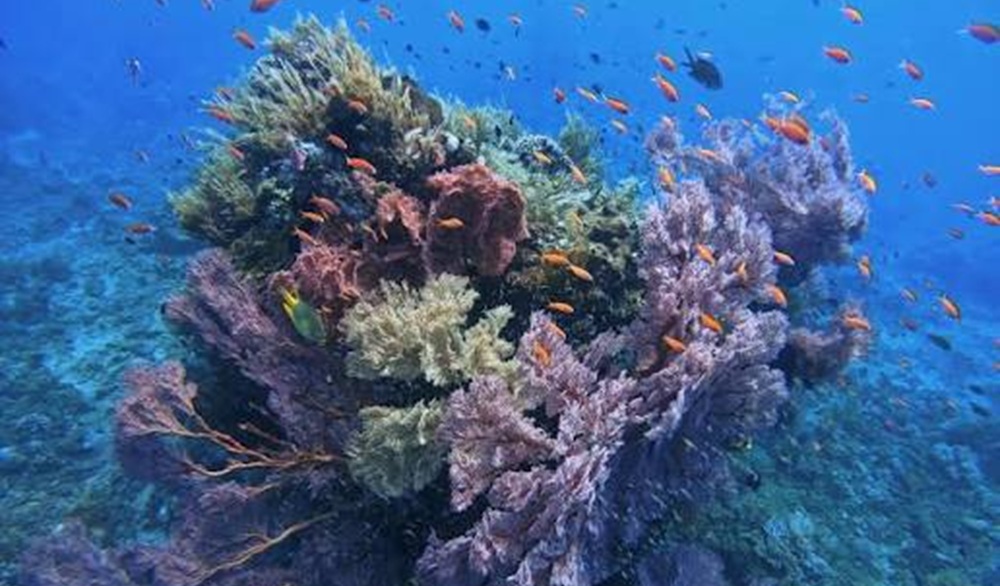
For many divers, the excitement of exploring the ocean begins with colorful coral reefs and large schools of tropical fish. However, after gaining more underwater experience, many discover that the smallest creatures can be just as fascinating. While our guide to Fish Species in Amed highlights the vibrant reef fish found along the coastline, Macro Diving in Amed introduces an entirely different world where tiny marine animals become the stars of every dive.
Amed has earned an outstanding reputation among underwater photographers and marine life enthusiasts because of its incredible diversity of macro species. Beyond the colorful reefs featured in our guide to Marine Life in Amed Bali, the volcanic seabed, coral rubble, seagrass patches, and artificial reefs provide perfect habitats for countless miniature creatures. Divers who slow down and carefully observe the ocean floor are often rewarded with extraordinary discoveries hidden in plain sight.
Unlike wide-angle diving, macro diving focuses on the smallest details beneath the surface. Instead of searching for large sharks or sea turtles, divers look for tiny animals that are often only a few centimeters long. These include colorful nudibranchs, pygmy seahorses, shrimp, crabs, gobies, pipefish, frogfish, and many other remarkable species that blend almost perfectly into their surroundings.
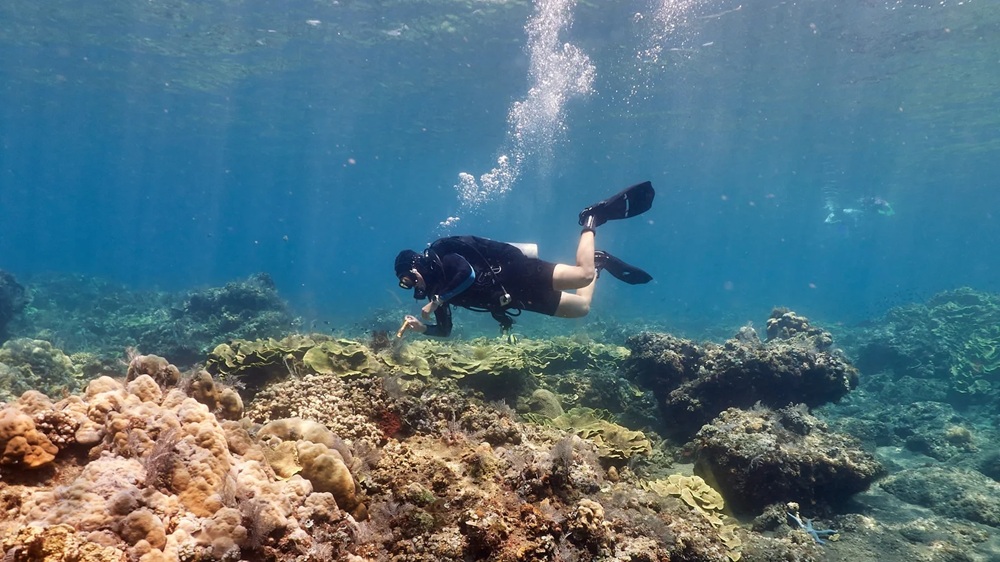
Although macro diving is often associated with experienced underwater photographers, it is also an enjoyable activity for recreational divers. In fact, many visitors who begin their Beginner Diving Experience in Bali quickly become interested in macro life after learning to control their buoyancy and move more slowly underwater. With guidance from experienced local dive professionals, even beginners can appreciate the hidden beauty of Amed’s smallest marine inhabitants.
What Is Macro Diving?
Macro diving is a style of scuba diving that focuses on observing and photographing very small marine creatures rather than large underwater animals.
Many macro subjects measure less than five centimeters, while some species are barely visible without careful observation. Because of their size and natural camouflage, divers often swim directly past them without noticing.
Macro diving encourages divers to:
- Slow down underwater.
- Improve buoyancy control.
- Develop better observation skills.
- Appreciate marine biodiversity.
- Discover hidden behaviors rarely seen during ordinary dives.
Rather than covering long distances, macro divers typically spend more time exploring a relatively small area, carefully examining coral branches, sandy patches, volcanic rocks, and reef rubble.
Why Macro Diving in Amed Is Special
Several factors make Macro Diving in Amed one of Bali’s most rewarding underwater experiences.
First, the coastline offers an impressive variety of underwater habitats within a short distance. Each habitat supports different communities of tiny marine animals.
Second, volcanic sand creates excellent camouflage for many rare species that are difficult to find elsewhere.
Third, Amed experiences relatively calm diving conditions throughout much of the year, allowing divers to move slowly while searching for macro subjects.
Finally, experienced local dive guides have developed exceptional skills in spotting creatures that most divers would never notice on their own.
These advantages make every macro dive feel like an underwater treasure hunt.
Tiny Creatures Hidden Everywhere
One of the greatest surprises for first-time macro divers is discovering just how much life exists within a single square meter of reef.
At first glance, a patch of coral or volcanic sand may appear empty. After a guide points out a few hidden animals, however, the entire underwater landscape suddenly comes alive.
You may discover:
- Tiny shrimp living inside sea anemones.
- Crabs hiding among soft corals.
- Juvenile fish sheltering between coral branches.
- Colorful nudibranchs crawling across rocks.
- Pipefish blending perfectly with seagrass.
- Small gobies resting on sandy bottoms.
Every dive becomes a search for creatures that many people never realize exist.
Nudibranchs: Jewels of the Reef
Few macro animals attract as much attention as nudibranchs.
Often described as underwater jewels, these shell-less sea slugs display extraordinary colors, patterns, and body shapes. Some feature brilliant blues, oranges, yellows, purples, and reds, while others rely on camouflage to blend into the reef.
Despite their delicate appearance, nudibranchs are remarkably successful marine animals that have evolved a variety of defenses against predators.
Because different species prefer different habitats, every macro dive offers the possibility of finding completely new nudibranchs.
For underwater photographers, each sighting feels like discovering a living work of art.
Pygmy Seahorses: Tiny Masters of Camouflage
Among the most sought-after subjects in Macro Diving in Amed are pygmy seahorses.
These miniature relatives of the common seahorse measure only a few centimeters in length and spend their lives attached to soft corals or sea fans.
Their bodies closely match the color and texture of their surroundings, making them almost impossible to detect without assistance from an experienced dive guide.
Even after one is pointed out, many divers need several moments before they can actually see it.
Finding a pygmy seahorse is often considered one of the most rewarding achievements during a macro dive
Frogfish: Masters of Disguise
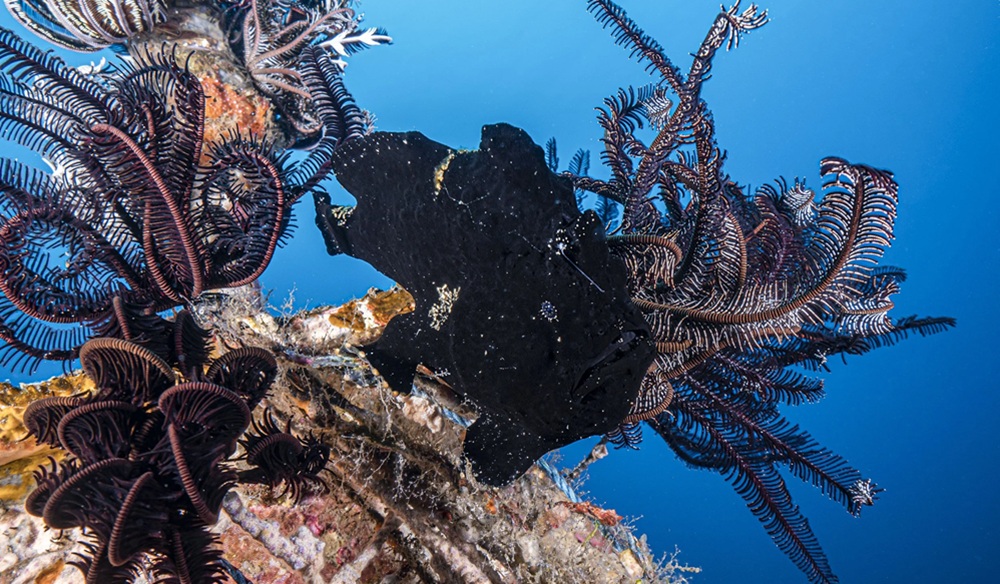
One of the most exciting discoveries during Macro Diving in Amed is the elusive frogfish. Although they belong to the anglerfish family, frogfish rarely swim like ordinary fish. Instead, they use their pectoral fins almost like feet, slowly “walking” across rocks, coral rubble, and sandy patches.
Their incredible camouflage allows them to imitate sponges, algae, or even pieces of coral. Some species can also change color over time to better match their surroundings.
Rather than chasing prey, frogfish patiently wait for an unsuspecting fish or shrimp to swim within reach before striking with astonishing speed.
Ghost Pipefish: Nearly Invisible
Ghost pipefish are among the most challenging subjects for macro enthusiasts.
Unlike true pipefish, these delicate animals often drift beside feather stars, soft corals, or crinoids, perfectly matching their hosts in both color and shape.
Many divers look directly at a ghost pipefish without realizing it is there. Once your guide points one out, however, you’ll appreciate just how remarkable nature’s camouflage can be.
Because they are so well hidden, spotting one is often considered a highlight of Macro Diving in Amed.
Tiny Shrimp and Hidden Crabs
The reefs surrounding Amed are home to dozens of fascinating shrimp and crab species that spend their lives tucked away in small underwater shelters.
Some of the most commonly observed macro crustaceans include:
- Cleaner shrimp.
- Peacock mantis shrimp.
- Porcelain crabs.
- Anemone shrimp.
- Hairy crabs.
- Decorator crabs.
Decorator crabs are particularly interesting because they attach pieces of algae, sponges, and other marine organisms to their shells, creating natural camouflage that helps them avoid predators.
These miniature creatures reveal just how diverse reef ecosystems truly are.
Gobies and Blennies
Although gobies and blennies are small fish, they are among the most entertaining subjects for underwater photographers.
Gobies often perch quietly on coral rubble or hover near burrows shared with pistol shrimp. This remarkable partnership benefits both animals, as the shrimp digs the burrow while the goby acts as a lookout for danger.
Blennies, meanwhile, are known for their expressive faces and curious personalities. Many peek from tiny holes in rocks or coral, watching divers before quickly retreating inside.
Their behavior provides endless opportunities for patient observers.
Octopus and Cuttlefish
Macro diving isn’t limited to tiny invertebrates. Small octopuses and cuttlefish are also frequent highlights beneath Amed’s waters.
These intelligent cephalopods display extraordinary camouflage skills, rapidly changing both color and skin texture to blend with volcanic rocks or coral.
If you remain still and avoid sudden movements, you may witness fascinating behaviors such as:
- Hunting for small crustaceans.
- Changing colors within seconds.
- Crawling across the seabed.
- Interacting with nearby marine life.
Encounters like these make every macro dive feel unique.
Patience Is the Key to Success
Unlike wide-angle diving, Macro Diving in Amed rewards divers who slow down and carefully observe every detail.
Rather than covering large distances, experienced macro divers often spend several minutes exploring a single coral head or small patch of sand.
The more patient you become, the more marine life you’ll discover.
Many divers are amazed that an area appearing completely empty at first glance may actually contain dozens of fascinating creatures hiding in plain sight.
Macro Photography Tips
Macro photography requires a different approach than photographing larger marine animals.
For better results:
- Achieve neutral buoyancy before taking photographs.
- Move slowly to avoid disturbing marine life.
- Focus carefully on the animal’s eyes.
- Use natural behavior instead of forcing movement.
- Never touch or reposition marine creatures.
- Allow your dive guide to help locate subjects.
Patience and respect almost always produce better photographs than rushing from one subject to another.
Every Dive Reveals Something New
Perhaps the greatest attraction of Macro Diving in Amed is its unpredictability.
Even after dozens of dives at the same site, divers continue discovering species they have never seen before.
Seasonal changes, natural breeding cycles, and shifting environmental conditions constantly introduce new macro subjects to familiar reefs.
This endless variety keeps underwater photographers, marine biologists, and recreational divers returning to Amed throughout the year.
Best Dive Sites for Macro Diving in Amed
One of the reasons Macro Diving in Amed has become increasingly popular is the variety of dive sites that support different underwater habitats. Instead of offering only coral reefs, Amed combines volcanic sand, coral rubble, artificial reefs, seagrass beds, and rocky slopes, creating ideal environments for tiny marine creatures.
Several locations are especially favored by macro enthusiasts:
- Jemeluk Bay – Home to nudibranchs, shrimp, gobies, and juvenile reef fish.
- Japanese Shipwreck – A productive site for frogfish, blennies, pipefish, and colorful invertebrates living around the wreck.
- Pyramid Reef – Artificial reef structures attract a wide range of macro subjects while supporting healthy coral growth.
- Amed Wall – Offers opportunities to find soft coral species, crinoids, and numerous hidden crustaceans.
- Coral Garden – Excellent for photographers searching for tiny reef organisms among diverse coral formations.
Each dive site offers a different experience, making every macro dive unique.
Seasonal Macro Encounters
One of the greatest advantages of diving in Amed is that macro life can be found throughout the year.
Although many resident species remain present regardless of the season, changing ocean conditions may influence which animals are easier to find. Some nudibranch species become more abundant during certain months, while juvenile fish, shrimp, and crabs may appear in greater numbers after breeding seasons.
Because marine ecosystems are constantly changing, returning to the same dive site often reveals completely different subjects.
Why Local Dive Guides Matter
Tiny marine animals can be extremely difficult to spot without trained eyes.
Experienced local dive guides spend hundreds of hours underwater each year and develop an impressive ability to recognize subtle movements, unusual textures, and nearly invisible camouflage.
A guide may point out a pygmy seahorse attached to a sea fan or a frogfish blending perfectly into a sponge—subjects that many divers would never notice on their own.
Their knowledge not only increases the number of sightings but also helps divers appreciate the fascinating behaviors of each species.
Protecting Tiny Marine Creatures
Because macro subjects are often fragile, responsible diving practices are essential.
During Macro Diving in Amed, every diver should remember to:
- Maintain excellent buoyancy.
- Never touch marine animals.
- Avoid resting on coral or the seabed.
- Keep camera equipment from contacting the reef.
- Observe wildlife without disturbing natural behavior.
- Support dive operators committed to marine conservation.
These simple habits help preserve Amed’s delicate underwater ecosystems and ensure future divers can enjoy the same remarkable biodiversity.
Why Macro Diving Is So Rewarding
Macro diving changes the way people experience the ocean.
Instead of searching for the biggest marine animals, divers learn to appreciate the intricate details of underwater life. Every nudibranch, shrimp, crab, or goby reveals another layer of biodiversity that often goes unnoticed during traditional recreational dives.
This slower style of exploration encourages greater patience, stronger buoyancy control, and a deeper understanding of marine ecosystems. Many divers discover that macro diving transforms an ordinary dive into a fascinating underwater treasure hunt.
Macro Diving in Amed offers an extraordinary opportunity to explore one of Bali’s richest hidden underwater worlds. Beneath the calm surface lies an ecosystem filled with remarkable miniature creatures, each perfectly adapted to its environment through camouflage, unique behaviors, and incredible diversity.
From brilliantly colored nudibranchs and elusive frogfish to pygmy seahorses, decorator crabs, ghost pipefish, gobies, and tiny shrimp, every dive reveals new surprises waiting to be discovered. Combined with experienced local guides, excellent diving conditions, and healthy reef habitats, Amed has become one of Indonesia’s premier destinations for macro enthusiasts.
Whether you’re an underwater photographer searching for your next award-winning image or a recreational diver eager to discover the ocean’s smallest wonders, Macro Diving in Amed delivers unforgettable experiences that prove extraordinary beauty often comes in the smallest forms.