
Is Scuba Diving Difficult for Beginners? Complete Beginner’s Guide
If you’ve ever watched divers effortlessly gliding through crystal-clear water, you may have wondered, “Is scuba diving difficult for beginners?” It’s one of the most common questions asked by people considering their first time diving in Amed Bali. While scuba diving may appear challenging at first glance, the reality is quite different. With proper training, quality equipment, and professional guidance, almost anyone in good health can safely learn to scuba dive.
Many first-time divers worry about breathing underwater, equalizing pressure, or using unfamiliar equipment. These concerns are completely natural. However, modern scuba training is specifically designed to help beginners build confidence gradually. Every skill is introduced step by step, allowing new divers to become comfortable before exploring deeper waters.
Whether you’re planning a tropical vacation or dreaming of earning your diving certification, understanding what to expect can make your first experience much more enjoyable. This guide explains the challenges beginners may face, how to overcome them, and why scuba diving often becomes a lifelong passion after the very first dive.
Why Scuba Diving Seems Difficult
The idea of breathing underwater naturally feels unusual because humans are not adapted to an underwater environment. Unlike swimming at the surface, scuba diving requires learning a few completely new skills.
For many beginners, the biggest concerns include:
- Breathing through a regulator
- Wearing scuba equipment
- Equalizing ear pressure
- Maintaining neutral buoyancy
- Communicating underwater using hand signals
Although these skills sound complicated, they quickly become second nature with practice. Professional instructors introduce each technique in a calm, controlled environment before students enter open water.
In fact, thousands of people with no previous diving experience successfully complete beginner courses every year.
The Truth About Learning to Scuba Dive
The answer to “Is scuba diving difficult for beginners?” depends more on mindset than physical ability.
Scuba diving is not about strength or athletic performance. Instead, it’s about staying relaxed, following instructions, and practicing basic techniques.
A typical beginner discovers that diving feels much easier than expected because:
- Modern scuba equipment is reliable and user-friendly.
- Professional instructors closely supervise every training session.
- Lessons progress gradually from simple to more advanced skills.
- Students learn at their own pace.
Many beginners are surprised that after only a short period of instruction, breathing underwater feels remarkably natural.
Do You Need to Be a Strong Swimmer?
One of the biggest myths about scuba diving is that you must be an excellent swimmer.
While basic swimming ability is important, you don’t need to be an Olympic athlete.
Most certification agencies require students to:
- Swim a short distance comfortably.
- Float or tread water for a specified amount of time.
- Demonstrate confidence in the water.
Scuba diving actually involves less physical effort than many people imagine. Because the buoyancy control device (BCD) supports your movement underwater, divers expend relatively little energy while exploring reefs or wrecks.
Common Fears Beginners Experience
Every new diver has questions before entering the water. Some of the most common concerns include:
Fear of Breathing Underwater
This is by far the most common fear.
The first few breaths through a regulator may feel unfamiliar, but most people adjust within minutes. The regulator continuously supplies air whenever you inhale, making breathing surprisingly easy.
The key is to breathe slowly and naturally rather than taking rapid, shallow breaths.
Fear of Running Out of Air
Modern scuba diving includes multiple safety procedures designed to prevent this situation.
Divers constantly monitor their air supply using pressure gauges or dive computers. Instructors also teach students how to share air safely with a dive buddy in the unlikely event of an emergency.
Because of these safety systems, running out of air is extremely rare during recreational dives.
Fear of Marine Life
Many beginners worry about sharks or dangerous sea creatures.
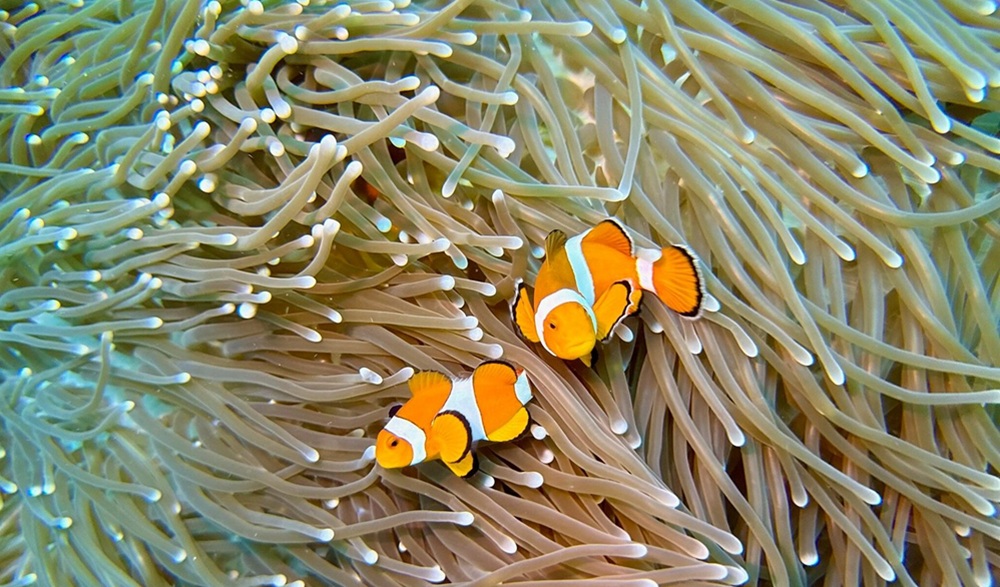
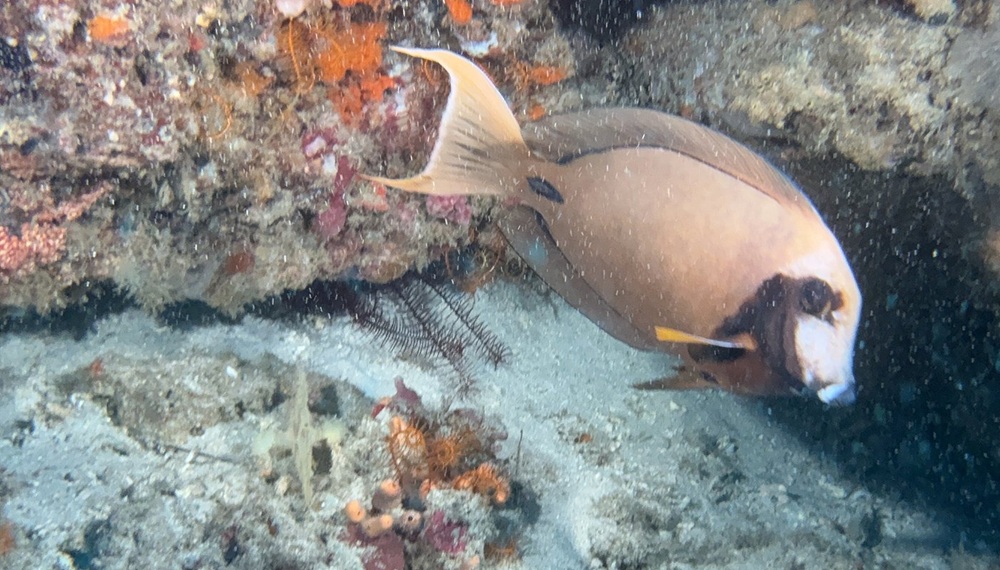
In reality, marine animals generally avoid humans. Most underwater encounters involve peaceful species such as:
- Colorful reef fish
- Sea turtles
- Clownfish
- Butterflyfish
- Angelfish
- Moray eels hiding inside coral
- Reef octopus
Respecting marine life and avoiding unnecessary contact creates safe and memorable diving experiences.
Understanding Basic Scuba Equipment
Learning how your equipment works removes much of the anxiety associated with scuba diving.
Every beginner uses several essential pieces of gear.
Mask
A properly fitted mask allows clear underwater vision while creating an air space in front of your eyes.
Regulator
The regulator delivers breathable air from the scuba tank at the correct pressure.
This is the most important piece of scuba equipment, and modern regulators are engineered with multiple safety features.
Buoyancy Control Device (BCD)
The BCD helps divers float comfortably on the surface and maintain neutral buoyancy underwater.
Mastering buoyancy is one of the most enjoyable skills beginners develop.
Dive Computer
Many dive centers now provide dive computers that display:
- Depth
- Dive time
- Water temperature
- No-decompression limits
- Ascent rate
These devices help divers stay within safe recreational limits throughout every dive.
What Happens During Your First Dive?
Most beginners start with a Discover Scuba Diving experience or begin training for an entry-level certification.
The first session usually follows this sequence:
Classroom Introduction
Your instructor explains:
- Basic safety rules
- Equipment operation
- Underwater communication
- Equalization techniques
- Emergency procedures
Everything is explained using simple language that beginners can easily understand.
Confined Water Practice
Before entering open water, students practice basic skills in shallow water or a swimming pool.
Skills include:
- Clearing water from the mask
- Recovering the regulator
- Controlling buoyancy
- Breathing calmly underwater
Practicing in shallow water helps build confidence before the first real dive.
First Open Water Dive
Once comfortable with the equipment, beginners enter calm open water accompanied by experienced instructors.
Many first-time divers immediately forget their nervousness after seeing colorful coral reefs and tropical fish for the first time.
The underwater world quickly replaces anxiety with excitement.
How Long Does It Take to Learn Scuba Diving?
Another common question related to Is scuba diving difficult for beginners? is how long it takes to become comfortable underwater.
The answer depends on the type of diving experience you choose.
Expand your knowledge with our article on Amed vs Tulamben which diving area is better?
A Discover Scuba Diving program can usually be completed in a single day, allowing beginners to experience breathing underwater under direct instructor supervision.
If you decide to become a certified diver, an entry-level course typically takes several days, combining classroom learning, confined water practice, and open water dives.
The learning process is intentionally gradual. Every lesson builds on the previous one, helping students gain confidence without feeling overwhelmed.
The Importance of Staying Relaxed
Perhaps the single most valuable skill in scuba diving is learning to stay calm.
Many beginner challenges disappear once divers relax and breathe normally.
A relaxed diver will naturally:
- Consume less air.
- Maintain better buoyancy.
- Move more efficiently.
- Enjoy longer dives.
- Feel more confident underwater.
Professional instructors often remind students that scuba diving is not a race. Slow, controlled movements create the safest and most enjoyable experience.
Tips That Make Scuba Diving Easier for Beginners
Although scuba diving in Amed is easier than many people expect, these practical tips can make your first dives even more enjoyable.
Choose a Professional Dive Center
Learning with experienced instructors makes an enormous difference.
Look for a dive center that:
- Maintains high-quality equipment.
- Offers small student-to-instructor ratios.
- Follows international safety standards.
- Provides patient, supportive instruction.
A positive learning environment helps beginners gain confidence much faster.
Listen Carefully During the Briefing
Every dive begins with a thorough briefing covering:
- Dive objectives
- Maximum depth
- Entry and exit procedures
- Marine life awareness
- Communication signals
- Emergency procedures
Paying close attention reduces uncertainty once you’re underwater.
Never Hold Your Breath
One of the first rules every diver learns is simple:
Always breathe continuously.
Holding your breath while ascending can be dangerous because expanding air inside the lungs must be allowed to escape naturally.
Fortunately, this rule quickly becomes second nature after a little practice.
Equalize Early and Often
Pressure changes affect the ears during descent.
Instead of waiting until discomfort appears, gently equalize every few feet while descending.
This simple habit makes dives significantly more comfortable.
Focus on Slow Breathing
Many beginners breathe too quickly because they’re excited.
Instead, inhale slowly and exhale gently.
Calm breathing helps conserve air while reducing stress.
Physical Fitness Requirements
Another misconception is that scuba diving requires exceptional physical fitness.
In reality, recreational diving is suitable for people of many different ages and fitness levels.
You don’t need to:
- Run marathons.
- Lift heavy weights.
- Have perfect athletic ability.
However, maintaining general health always improves your diving experience.
Regular activities such as walking, swimming, cycling, or light exercise contribute to better endurance and comfort underwater.
Can Older Adults Learn Scuba Diving?
Absolutely.
Many people begin scuba diving in their 40s, 50s, 60s, and even later.
Age itself is rarely a limitation.
More important factors include:
- Good overall health.
- Medical clearance when necessary.
- Willingness to learn.
- Comfort in the water.
Some older beginners even progress faster because they remain patient and carefully follow instructor guidance.
Is Scuba Diving Safe for Beginners?
Modern recreational scuba diving has an excellent safety record when proper training and procedures are followed.
Several factors contribute to this safety:
- International training standards.
- Certified instructors.
- Reliable equipment.
- Dive buddy system.
- Conservative dive planning.
- Continuous education.
Most diving incidents occur when divers ignore established safety rules rather than because scuba diving itself is dangerous.
Following your instructor’s guidance dramatically reduces risk.
Why Amed Is an Excellent Place to Learn
For beginners planning a vacation in Bali, Amed has become one of Indonesia’s most popular diving destinations.
The area offers numerous advantages:
- Calm water conditions.
- Excellent underwater visibility.
- Warm tropical temperatures.
- Healthy coral reefs.
- Diverse marine life.
- Easy shore entries.
- Dive sites suitable for every experience level.
These conditions allow beginners to focus on learning rather than struggling with difficult environmental conditions.
Many students complete their first dives feeling far more confident than they expected.
If you’re planning your first underwater adventure, Amed Diving offers ideal conditions for building confidence while exploring vibrant coral gardens and fascinating marine life.
Beginners who want structured instruction can also enroll in a Amed PADI Courses, where professional instructors teach every essential skill through internationally recognized training standards.
As your confidence grows, you may eventually enjoy exciting experiences such as Amed Night Diving, where nocturnal marine life transforms familiar reefs into an entirely new underwater world.
Likewise, once you’re certified, visiting famous sites like USAT Liberty Wreck Diving provides an unforgettable opportunity to explore one of Bali’s most iconic wreck dives while continuing to improve your diving skills.
Mistakes Beginners Should Avoid
Everyone makes small mistakes when learning a new skill, and scuba Amed diving is no exception. The good news is that most beginner errors are easy to avoid with proper instruction and awareness.
Here are some of the most common mistakes:
- Descending too quickly without equalizing.
- Breathing too fast because of excitement.
- Touching coral or disturbing marine life.
- Ignoring buoyancy control.
- Looking down constantly instead of maintaining good body position.
- Forgetting to monitor the air gauge.
- Becoming distracted and separating from the dive buddy.
These mistakes are exactly why beginners dive under the close supervision of certified instructors. Every dive provides valuable experience, and confidence grows naturally with practice.
How Confidence Builds with Every Dive
One of the most rewarding aspects of scuba diving is how quickly beginners improve.
During your first dive, you may focus on:
- Breathing comfortably.
- Controlling buoyancy.
- Communicating with your instructor.
- Becoming familiar with the equipment.
By your fifth or sixth dive, many of these skills become automatic. Instead of thinking about the equipment, you begin appreciating the incredible underwater scenery around you.
Confidence develops gradually—not because diving becomes easier, but because you become more comfortable and experienced.
The Amazing Rewards of Learning to Dive
Although beginners often ask, “Is scuba diving difficult for beginners?”, they usually ask a different question after completing their first dive:
“When can I dive again?”
Scuba diving opens the door to an entirely new world filled with unforgettable experiences.
You may encounter:
- Sea turtles gliding effortlessly through the reef.
- Schools of colorful tropical fish.
- Graceful reef rays.
- Tiny nudibranchs with extraordinary colors.
- Vibrant coral gardens.
- Fascinating macro creatures.
- Historic shipwrecks.
- Crystal-clear blue water with incredible visibility.
Every dive offers something unique, making scuba diving a hobby that many people continue enjoying for decades.
Frequently Asked Questions
Is scuba diving difficult for someone who has never dived before?
Not at all. Beginner programs are specifically designed for people with no previous diving experience. Professional instructors teach every skill step by step.
Can I scuba dive if I’m afraid of deep water?
Yes. Most beginner dives begin in shallow, calm water where students can build confidence before progressing to deeper dive sites.
What is the hardest part of learning scuba diving?
Most beginners say the first few breaths through the regulator feel unusual. Fortunately, this feeling usually disappears within a few minutes.
Is scuba diving physically demanding?
No. Recreational scuba diving relies more on relaxation and proper technique than physical strength.
How old do you need to be to start scuba diving?
Many certification agencies offer junior programs for children, while adults of all ages can learn as long as they meet basic health requirements.
How deep do beginners usually dive?
Training dives remain relatively shallow, allowing students to develop confidence while practicing essential skills safely.
So, is scuba diving difficult for beginners? The honest answer is no—provided you learn with qualified instructors, use well-maintained equipment, and follow established safety procedures.
Every experienced diver was once a beginner who wondered whether breathing underwater would feel strange or whether learning new skills would be overwhelming. With patience, proper guidance, and a willingness to learn, those initial concerns quickly disappear.
Scuba diving is not about being fearless or exceptionally athletic. It’s about curiosity, relaxation, and discovering one of the most beautiful environments on Earth.
If you’ve been thinking about trying to have best diving experience in east of Bali, don’t let uncertainty hold you back. Your first dive could become the beginning of a lifelong passion, opening the door to breathtaking coral reefs, remarkable marine life, and unforgettable underwater adventures.
Whether your goal is to experience a single introductory dive or earn a professional certification, the journey starts with one simple step—taking that first breath beneath the surface.