

Underwater Photography Guide Amed for Stunning Marine Images
Capturing the underwater world is one of the most rewarding experiences for scuba divers visiting Bali. Whether you’re using a professional DSLR camera, a compact underwater setup, or even an action camera, Amed offers some of the most photogenic dive sites in Indonesia. This Underwater Photography Guide Amed will help you understand where to dive, what subjects to photograph, and how to improve your underwater images while protecting the fragile marine ecosystem. If you’re also interested in discovering the Best Marine Animals in Amed, you’ll find that many of the area’s iconic species make incredible photography subjects throughout the year.
Unlike destinations that focus only on large pelagic animals, Amed combines thriving coral gardens, volcanic seabeds, artificial reefs, macro habitats, and historic wrecks. This remarkable diversity allows photographers to capture everything from colorful nudibranchs and pygmy seahorses to graceful sea turtles and dramatic reef landscapes during a single diving holiday.
Whether you’re a beginner learning underwater composition or an experienced photographer searching for award-winning images, Amed provides ideal conditions to build your underwater portfolio.
Why Amed Is a Paradise for Underwater Photography
The northeastern coast of Bali has quietly earned a reputation among underwater photographers for its calm conditions and exceptional marine biodiversity. Unlike crowded dive destinations, many sites around Amed remain peaceful, allowing photographers to work patiently without feeling rushed.
Excellent visibility during much of the year often ranges between 15 and 30 meters, producing sharp images with vibrant natural colors. Morning dives are especially popular because sunlight penetrates the water at favorable angles, illuminating coral reefs while minimizing suspended particles.
Another major advantage is the short travel distance between dive sites. Instead of spending hours on a boat, photographers can reach several completely different underwater environments within minutes. This means more time behind the camera and less time traveling.
Choosing the Right Camera Equipment
One of the biggest misconceptions about underwater photography is that expensive equipment is required. In reality, outstanding images can be captured using a variety of camera systems.
Action Cameras
Compact action cameras remain an excellent choice for recreational divers. Modern models produce impressive 4K video and high-resolution still images while remaining lightweight and easy to operate underwater.
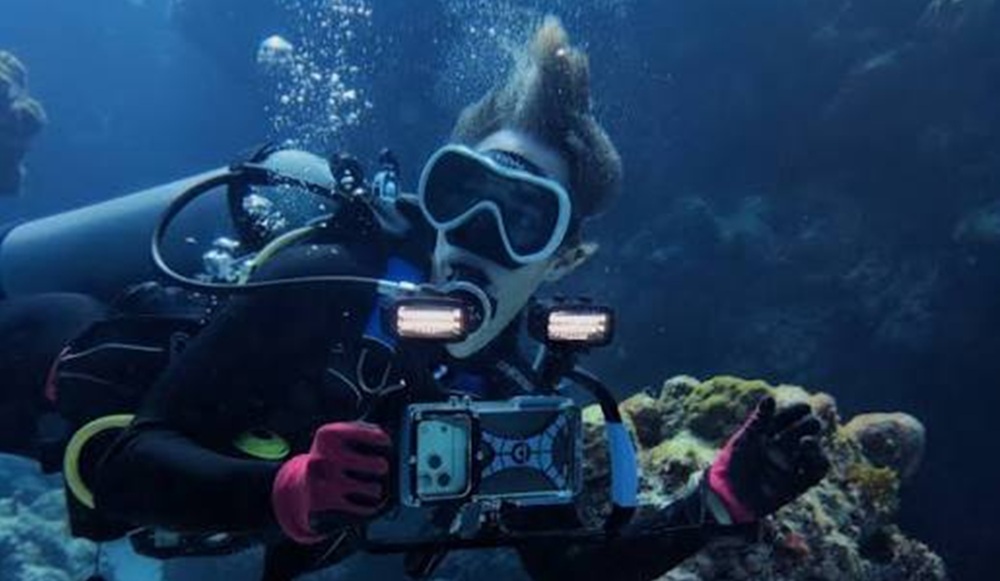
Adding a red filter or underwater video light can dramatically improve color reproduction at greater depths.
Compact Cameras
Compact underwater cameras offer greater creative control than action cameras. Manual settings allow photographers to adjust shutter speed, aperture, ISO, and white balance according to changing underwater conditions.
Many macro photographers prefer compact systems because they are lightweight and easier to maneuver around small marine creatures.
Mirrorless and DSLR Systems
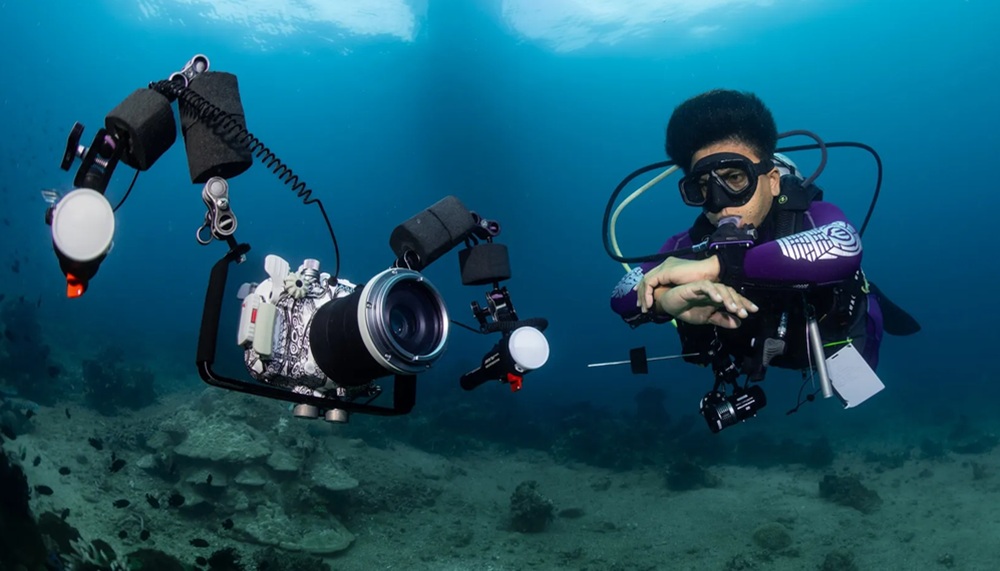
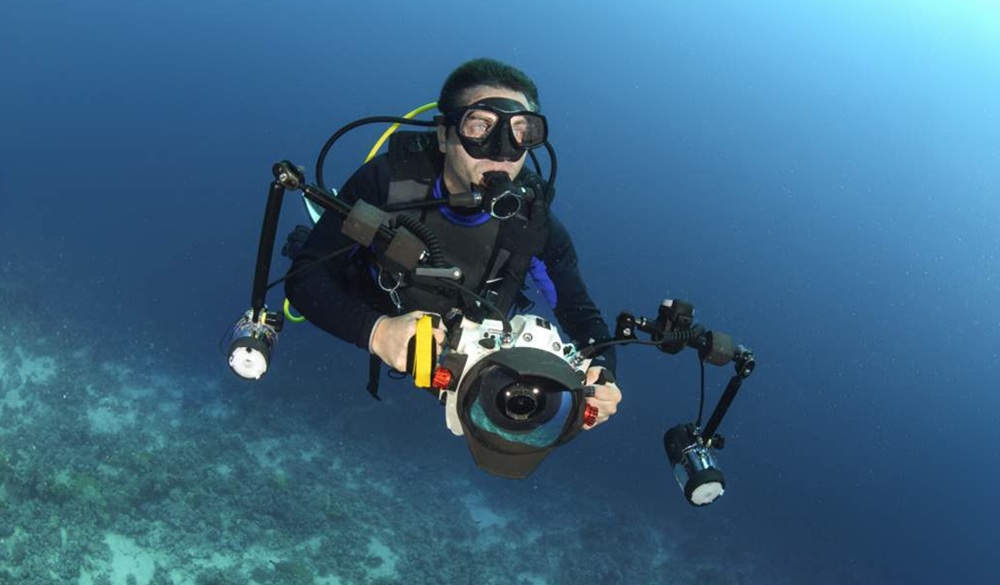
Professional underwater photographers often choose mirrorless or DSLR cameras housed inside waterproof enclosures.
These systems deliver exceptional image quality, superior autofocus, and interchangeable lenses for both wide-angle reef photography and extreme macro work.
Although they require a larger investment, the results can be spectacular when combined with proper lighting techniques.
Best Dive Sites for Underwater Photography
Each dive site around Amed offers unique photographic opportunities depending on your interests.
Jemeluk Bay
Jemeluk Bay is often considered one of the best starting points for underwater photographers.
The gentle reef slope features healthy hard corals, soft corals, colorful reef fish, and occasional turtles. Morning sunlight creates beautiful natural illumination, making wide-angle reef scenes especially attractive.
Because currents are usually mild, photographers can spend more time adjusting camera settings without feeling rushed.
Japanese Shipwreck
The Japanese Shipwreck combines history with marine biodiversity.
Coral-covered metal structures provide dramatic compositions filled with schooling fish, sponge growth, and macro subjects hidden among the wreckage.
Wide-angle photographers enjoy capturing the entire wreck, while macro enthusiasts focus on tiny marine creatures inhabiting every corner.
Pyramid Reef
Artificial reef structures at Pyramid Reef have developed into thriving ecosystems rich with marine life.
The geometric concrete pyramids create striking foreground elements while colorful reef fish swim through the scene.
These unique formations allow photographers to combine architecture with natural marine environments in a single composition.
Photographing Marine Wildlife
Wildlife photography requires patience far more than speed.
Rather than chasing marine animals, experienced photographers wait quietly while fish gradually become comfortable with their presence.
Approaching subjects slowly also reduces stress on wildlife while producing more natural behavior.
Large subjects such as sea turtles often provide excellent opportunities for wide-angle compositions. Divers participating in Turtle Diving in Amed Bali frequently capture memorable images of turtles feeding peacefully among coral gardens or swimming gracefully above the reef.
Maintaining proper buoyancy allows photographers to remain stable while preventing accidental contact with delicate coral formations.
Mastering Macro Photography
Macro photography reveals an entirely different underwater world.
Tiny nudibranchs, shrimp, gobies, blennies, frogfish, and pygmy seahorses become fascinating photographic subjects once divers learn where to look.
Because many macro animals remain stationary, photographers have more time to refine focus and composition.
Local dive guides possess extensive knowledge of hidden macro habitats and can dramatically increase the chances of finding rare species. Many visitors combine macro dives with the popular Octopus Diving Experience Amed, where photographers not only search for intelligent reef octopuses but also discover numerous small creatures living among volcanic rocks and coral rubble.
Good buoyancy control becomes even more important during macro photography because slight body movements can shift camera focus away from subjects measuring only a few millimeters.
Understanding Natural Light Underwater
Light behaves very differently beneath the ocean surface.
As depth increases, warm colors disappear first. Reds vanish within only a few meters, followed by oranges and yellows, leaving underwater scenes dominated by blue and green tones.
This natural phenomenon explains why many underwater photographs appear dull without proper lighting.
Photographers often compensate by using external strobes, underwater video lights, or manual white balance adjustments.
During shallow dives, natural sunlight may be sufficient for beautiful images, particularly between early morning and late morning when sunlight enters the water at favorable angles.
Composition Techniques for Better Images
Great underwater photography depends on composition as much as equipment.
One effective approach is shooting slightly upward whenever possible. This angle introduces sunlight, blue water, and greater depth into the background while making marine animals stand out more clearly.
Using the rule of thirds also creates balanced compositions by placing the primary subject away from the center of the frame.
Negative space can be equally powerful, especially when photographing turtles, schools of fish, or divers exploring coral reefs.
Another useful technique involves getting physically closer rather than relying on digital zoom. Water reduces image sharpness, so minimizing the distance between camera and subject generally produces cleaner, more vibrant photographs.
Wide-Angle Photography in Amed
Wide-angle photography allows divers to capture the true scale and beauty of Amed’s underwater environment. Expansive coral gardens, volcanic rock formations, artificial reefs, and dramatic sunbeams create breathtaking scenes that showcase the diversity of East Bali’s marine ecosystem.
To maximize image quality, photographers should position themselves close to the foreground while including blue water or sunlight in the background. This technique adds depth and creates a more immersive photograph.
Popular wide-angle subjects in Amed include:
- Healthy coral reefs
- Sea turtles swimming over coral gardens
- Schools of fusiliers and snapper
- Artificial reef structures
- Divers exploring colorful reefs
- Sun rays penetrating shallow water
Capturing Marine Animal Behavior
Rather than simply photographing marine animals, try documenting their natural behavior.
Watching a clownfish defend its anemone, a moray eel peering from a rocky crevice, or a frogfish waiting patiently for prey tells a much more compelling story than a simple portrait.
Behavioral photography requires patience. Spend several minutes observing your subject before pressing the shutter. Often, the most memorable moments occur after remaining still rather than constantly swimming from one subject to another.
When photographing sea turtles, avoid swimming directly toward them. Instead, stay slightly to the side and allow the turtle to continue its natural movement. This approach usually results in calmer animals and more authentic photographs.
Camera Settings for Different Situations
Although settings vary depending on equipment and available light, several general recommendations can help improve underwater photographs.
For wide-angle reef scenes:
- Low ISO whenever possible
- Fast shutter speed to reduce motion blur
- Smaller aperture for greater depth of field
For macro photography:
- Slightly higher aperture for sharp focus
- Careful autofocus placement
- Controlled lighting using strobes or video lights
Always review your images between dives and make small adjustments rather than relying on identical settings throughout the day.
Respect Marine Life While Photographing
Responsible underwater photography should always prioritize the wellbeing of marine animals over obtaining dramatic images.
Never touch coral to stabilize your camera.
Avoid moving marine animals into better positions.
Do not chase turtles, octopuses, frogfish, or seahorses simply to obtain a closer photograph.
Flash photography is generally safe when used responsibly, but repeated flashing at extremely close range should be minimized, especially with sensitive or nocturnal species.
By respecting marine life, photographers help preserve the healthy ecosystems that make Amed such an outstanding destination.
The Best Time for Underwater Photography in Amed
Although underwater photography is rewarding throughout the year, certain periods offer especially favorable conditions.
The dry season generally provides:
- Better underwater visibility
- Calmer seas
- More consistent sunlight
- Improved opportunities for wide-angle photography
Morning dives remain the preferred choice for many photographers because light enters the water more directly while marine life is often more active.
Afternoon dives can also be productive, particularly for macro photography where lighting conditions play a smaller role.
Night diving introduces an entirely different photographic experience. Nocturnal creatures such as octopuses, crabs, shrimp, decorator crabs, and hunting lionfish emerge after sunset, allowing photographers to capture species rarely seen during daylight hours.
Common Mistakes Beginner Underwater Photographers Make
Every underwater photographer improves through experience, but avoiding several common mistakes will accelerate your progress.
Many beginners remain too far from their subject. Water reduces contrast and sharpness, so getting closer almost always produces better images.
Another frequent mistake is poor buoyancy. Floating upward or accidentally touching the reef not only affects image quality but may also damage fragile corals.
Ignoring the background is another issue. A distracting background can reduce the impact of an otherwise excellent subject.
Finally, many photographers focus entirely on equipment while overlooking composition, patience, and observation—three factors that often make the greatest difference.
Essential Accessories Worth Bringing
Besides your primary camera system, several accessories can significantly improve your underwater photography experience.
Useful items include:
- Extra batteries
- Spare memory cards
- Anti-fog inserts for underwater housings
- Lens cleaning cloth
- O-ring lubricant
- Waterproof camera case
- Underwater focus light
- Red filter for action cameras
- Compact reef pointer (used responsibly and never on living coral)
Proper maintenance before and after every dive also helps protect expensive equipment from saltwater damage.
Why Local Dive Guides Matter
One of the greatest advantages of diving in Amed is the knowledge possessed by experienced local dive guides.
Many have explored these reefs for years and understand exactly where different marine species tend to appear under changing seasonal conditions.
Instead of spending an entire dive searching randomly, photographers can rely on local expertise to locate rare frogfish, pygmy seahorses, ribbon eels, ghost pipefish, nudibranchs, octopuses, and other fascinating subjects.
This local knowledge dramatically increases both photographic opportunities and overall diving enjoyment.
Building a Complete Underwater Photography Portfolio
A successful underwater portfolio tells a complete story rather than showcasing only one type of subject.
During your diving trip in Amed, consider capturing a balanced collection of images, including:
- Wide-angle reef landscapes
- Marine animal portraits
- Macro photography
- Coral details
- Historic wreck photography
- Diver interaction with the environment
- Sunlight and silhouette compositions
- Conservation-focused images
Combining these styles creates a more engaging collection that reflects the incredible diversity of Amed’s underwater world.
Editing Underwater Photos
Post-processing should enhance your photographs while maintaining a natural appearance.
Most underwater images benefit from small adjustments to:
- White balance
- Contrast
- Exposure
- Color temperature
- Sharpness
- Noise reduction
Avoid oversaturating colors or applying excessive clarity, as overly edited photographs often lose their realistic underwater atmosphere.
The goal is to recreate what your eyes experienced beneath the surface rather than producing unrealistic effects.
Final Thoughts
This Underwater Photography Guide Amed demonstrates why East Bali continues attracting underwater photographers from around the world. Its combination of healthy coral reefs, diverse marine biodiversity, calm conditions, volcanic underwater landscapes, and experienced local dive professionals creates an exceptional environment for photographers of every skill level.
Whether your passion is wide-angle reef photography, macro imaging, marine wildlife portraits, or documenting underwater conservation, Amed offers endless creative opportunities beneath the surface.
The most memorable underwater photographs are rarely the result of expensive equipment alone. They come from patience, careful observation, excellent buoyancy, respect for marine life, and a willingness to appreciate every detail the ocean has to offer.
If you approach each dive with curiosity and responsibility, you’ll return home not only with beautiful images but also with a deeper appreciation for one of Bali’s richest underwater ecosystems.