

Best Marine Animals in Amed
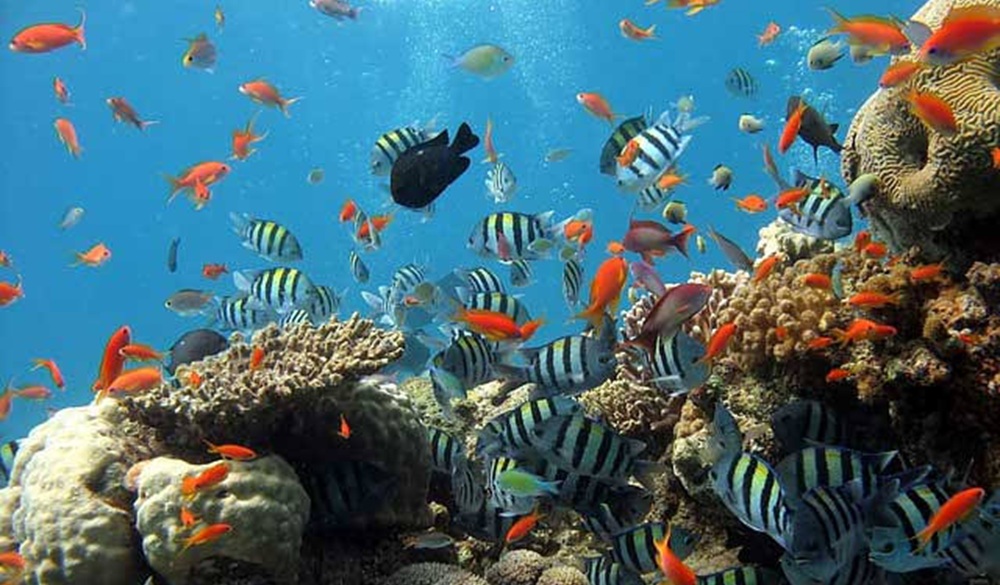
Amed, located on Bali’s peaceful northeastern coastline, is recognized as one of Indonesia’s most rewarding dive destinations for marine biodiversity. Divers from around the world visit this volcanic coastline not only for its colorful coral reefs and crystal-clear water but also for the incredible variety of sea creatures that thrive beneath the surface. Whether you’re planning your first scuba adventure or you’re an experienced underwater photographer, discovering the Best Marine Animals in Amed is an unforgettable experience. Many visitors also combine their trip with Turtle Diving in Amed Bali, where graceful sea turtles can often be seen gliding effortlessly above vibrant coral gardens.
Unlike destinations that focus on only one signature attraction, Amed offers a complete underwater ecosystem. Macro enthusiasts, wide-angle photographers, freedivers, and recreational divers all find something extraordinary waiting below the surface. Healthy coral reefs, volcanic sand slopes, artificial reefs, and historic wrecks create ideal habitats for hundreds of marine species throughout the year.
Why Amed Is Rich in Marine Life
Several natural factors make Amed one of Bali’s biodiversity hotspots.
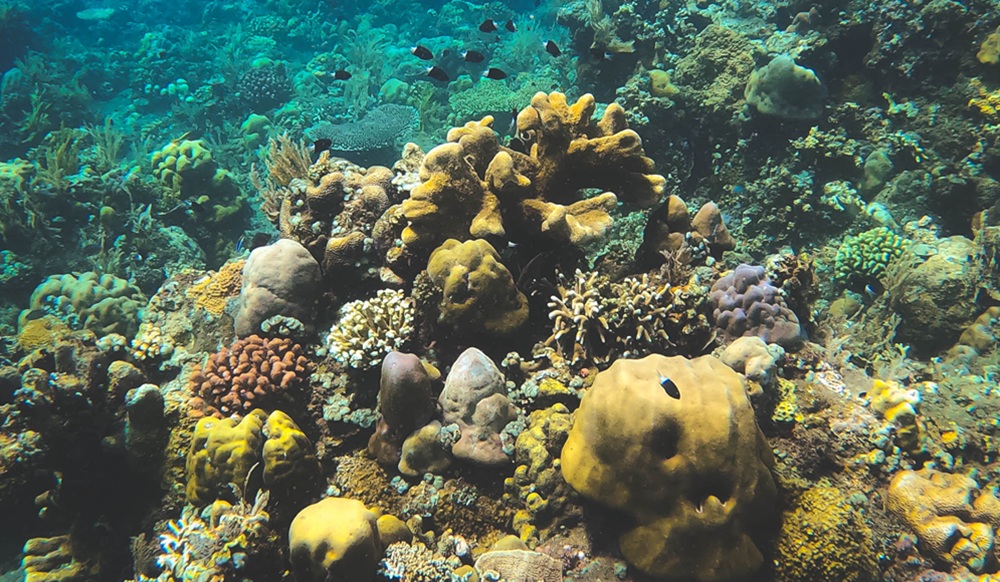
The combination of nutrient-rich ocean currents, relatively low coastal development, and diverse underwater terrain supports countless species of reef fish, invertebrates, crustaceans, and pelagic visitors. Coral reefs remain healthy across many dive sites, providing food, shelter, breeding grounds, and cleaning stations for marine animals.
Because each dive site has its own unique environment, divers rarely encounter the same underwater scenery twice. One morning may be dedicated to coral reefs filled with turtles and angelfish, while an afternoon dive reveals hidden critters during the famous Octopus Diving Experience Amed.
1. Green Sea Turtle
Among the Best Marine Animals in Amed, green sea turtles remain the favorite for many divers.
These peaceful reptiles are frequently encountered around Jemeluk Bay, Pyramid Reef, Coral Garden, and nearby reef slopes. Divers often observe them feeding on algae, resting beneath coral ledges, or swimming slowly through schools of tropical fish.
Because turtles in Amed are accustomed to respectful divers, patient observers are often rewarded with long, natural encounters that provide incredible photography opportunities.
2. Blue Ring Octopus
Although tiny and rarely seen, the blue ring octopus is one of Amed’s most fascinating marine animals.
Its brilliant blue rings appear when threatened, creating one of the ocean’s most recognizable warning displays. Local dive guides know where these elusive creatures occasionally hide among volcanic rubble and rocky crevices.
Divers should always admire them from a safe distance since they possess highly potent venom despite their small size.
3. Colorful Nudibranchs
Tiny but spectacular, nudibranchs have transformed Amed into a paradise for underwater macro photographers.
More than simply colorful sea slugs, these extraordinary creatures display remarkable shapes, textures, and vibrant color combinations rarely found elsewhere.
Many underwater photographers specifically travel to East Bali for Nudibranch Hunting in Amed, searching patiently across coral rubble, sponge colonies, and soft corals to photograph dozens of different species.
4. Pygmy Seahorses
Few marine animals generate as much excitement as pygmy seahorses.
Measuring only a few centimeters, these miniature creatures blend perfectly with sea fans using natural camouflage.
Finding one requires exceptional local knowledge and a sharp eye, making experienced dive guides invaluable during macro dives.
Photographing pygmy seahorses demands patience, excellent buoyancy, and specialized macro equipment.
5. Reef Octopus
The common reef octopus is among the most intelligent marine animals encountered in Amed.
Masters of camouflage, they instantly change color and skin texture to blend into surrounding coral, volcanic rocks, or sandy bottoms.
Watching an octopus hunt crabs or shrimp provides one of the most fascinating underwater behaviors divers can witness.
Night dives significantly increase the chances of observing active octopuses.
6. Frogfish
Frogfish are experts at remaining invisible.
Instead of chasing prey, they patiently wait until small fish approach before striking with astonishing speed.
Their unusual appearance often resembles algae-covered rocks or coral sponges, making them one of the favorite discoveries for underwater photographers.
Different color variations may appear across several dive sites depending on surrounding habitats.
7. Ribbon Eels
Ribbon eels bring brilliant color to Amed’s reefs.
Juveniles typically appear black with yellow markings, while adults display striking electric blue bodies with yellow faces.
These beautiful eels spend most of their lives extending from sandy burrows while opening and closing their mouths to breathe.
Their unique appearance makes them one of the most photographed reef residents.
8. Ghost Pipefish
Ghost pipefish perfectly demonstrate nature’s camouflage.
They often imitate drifting leaves, feather stars, or soft corals while remaining nearly impossible to detect.
Because they move gently with ocean currents, divers frequently overlook them until pointed out by experienced guides.
Several species appear seasonally throughout Amed’s dive sites.
9. Moray Eels
Multiple moray eel species inhabit Amed’s coral reefs.
Although their constantly open mouths appear intimidating, morays simply use this movement to breathe.
They usually remain hidden inside rocky crevices during daylight hours before becoming more active after sunset.
Night diving provides exceptional opportunities to observe these fascinating predators.
10. Leaf Scorpionfish
Leaf scorpionfish resemble drifting pieces of algae rather than fish.
Their flattened bodies and slow movements create perfect camouflage among coral rubble and seagrass.
Divers who enjoy marine life photography appreciate the challenge of locating these hidden masters of disguise.
11. Barracuda
Schools of barracuda occasionally patrol deeper reefs surrounding Amed.
Their streamlined silver bodies and synchronized swimming create dramatic wide-angle photography opportunities.
Although they appear fierce, barracudas generally ignore divers and continue hunting smaller fish.
12. Giant Trevally
One of the reef’s top predators, giant trevally adds excitement to many dives.
Their powerful bodies allow them to move rapidly through schools of baitfish while hunting.
Seeing several giant trevallies working together creates an unforgettable underwater spectacle.
13. Garden Eels
Garden eels inhabit sandy areas where hundreds emerge simultaneously from their burrows.
They sway gently with ocean currents while feeding on microscopic plankton.
Approaching too quickly causes them to disappear underground almost instantly, requiring slow, careful movements from divers.
14. Clownfish
No visit to Amed feels complete without seeing clownfish.
Protected by sea anemones, these colorful fish defend their homes with surprising confidence despite their small size.
Several clownfish species inhabit local reefs, providing excellent opportunities for beginner underwater photographers.
15. Reef Sharks
Although not encountered on every dive, blacktip reef sharks occasionally cruise deeper sections of nearby reefs.
These shy predators play an essential role in maintaining healthy marine ecosystems.
Most encounters are brief but memorable, especially during early morning dives.
Best Dive Sites for Marine Animal Encounters
Several locations consistently produce excellent wildlife sightings.
Jemeluk Bay offers turtles, clownfish, nudibranchs, reef fish, and healthy coral.
Japanese Shipwreck combines history with frogfish, turtles, moray eels, octopuses, and schools of reef fish.
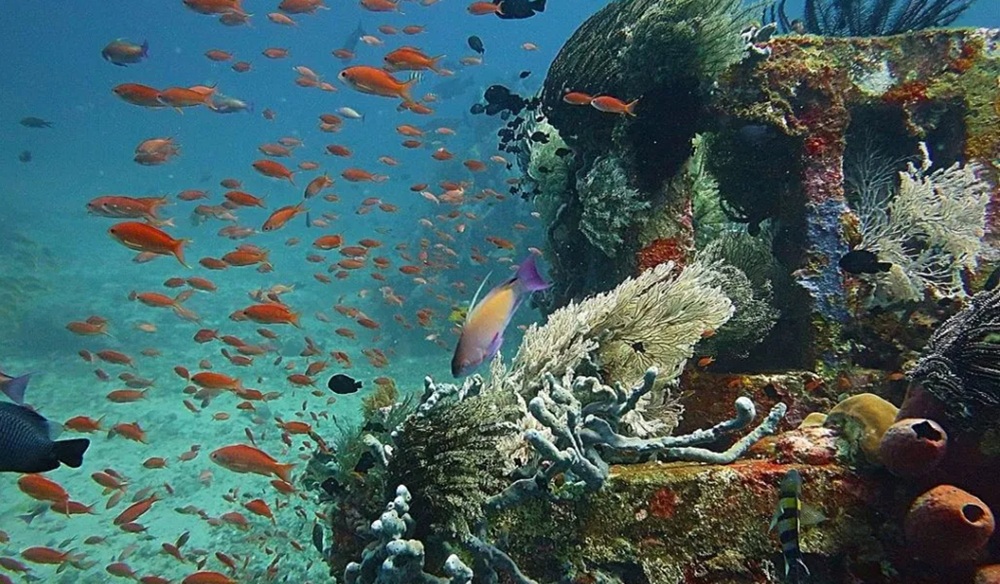
Pyramid Reef attracts turtles, barracudas, sweetlips, and countless reef species around artificial reef structures.
Coral Garden provides colorful coral formations filled with macro life, reef fish, and occasional rays.
Each dive site contributes something different to the experience of discovering the Best Marine Animals in Amed.
Best Season to Observe Marine Animals
Marine life remains active throughout the year.
The dry season generally provides clearer visibility ranging from 20 to 30 meters, making it easier to locate larger animals.
Meanwhile, calmer conditions often improve underwater photography.
Macro diving remains productive during every season because tiny marine creatures continue inhabiting coral reefs regardless of weather changes.
Experienced local dive professionals simply choose the most suitable dive sites according to daily conditions.
Responsible Wildlife Encounters
Respect for marine life ensures future generations can enjoy the same underwater beauty.
Divers should never touch turtles, chase octopuses, disturb frogfish, or move nudibranchs for photographs.
Maintaining proper buoyancy protects fragile coral ecosystems that support the incredible biodiversity found throughout Amed.
Choosing environmentally responsible dive operators also contributes to reef conservation and marine education.
The Best Marine Animals in Amed showcase why this peaceful corner of East Bali continues attracting divers from every corner of the world. From graceful sea turtles and intelligent octopuses to colorful nudibranchs, pygmy seahorses, ribbon eels, frogfish, and reef sharks, every dive presents a unique opportunity to witness nature at its finest.
What makes Amed truly exceptional is not simply the number of species but the diversity of underwater habitats supporting them. Coral gardens, volcanic slopes, artificial reefs, sandy macro sites, and historic wrecks all contribute to an ecosystem that rewards every type of diver.
Whether your passion is underwater photography, marine biology, recreational scuba diving, or simply exploring Bali’s hidden underwater treasures, discovering the Best Marine Animals in Amed promises memories that will last long after your surface interval ends.