

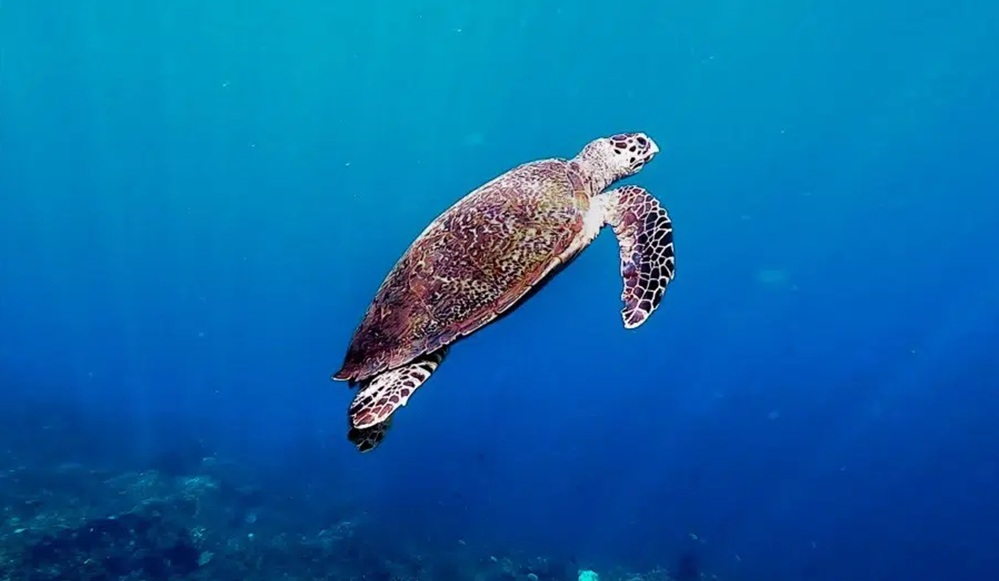
Turtle Diving in Amed Bali Ultimate Underwater Adventure Guide
Few underwater experiences compare to the excitement of encountering a graceful sea turtle gliding effortlessly across a vibrant coral reef. Turtle Diving in Amed Bali has become one of the most rewarding activities for divers who want to witness marine life in its natural habitat while enjoying calm waters and outstanding visibility. Whether you are taking your first dive or returning as an experienced underwater explorer, Amed offers an unforgettable opportunity to meet green turtles and hawksbill turtles in one of Bali’s most peaceful coastal regions. Many divers also combine their turtle search with the famous Octopus Diving Experience Amed, creating a full day of diverse underwater encounters.
Why Turtle Diving in Amed Bali Is So Special
Unlike many crowded diving destinations, Amed provides a relaxed atmosphere where turtles can be observed without excessive disturbance. The coastline stretches across several unique dive sites, each offering different underwater landscapes, from coral gardens to volcanic slopes and artificial reefs.
The healthy coral ecosystem attracts countless marine creatures that support the turtles’ natural feeding grounds. Because the reefs remain relatively well-preserved, divers frequently encounter turtles calmly resting beneath coral ledges, feeding on seagrass, or swimming alongside schools of reef fish.
Another advantage is the variety of dive sites located only minutes apart, allowing dive centers to choose the most suitable location based on weather, current conditions, and visibility.
Best Turtle Dive Sites Around Amed
Several dive locations have earned an excellent reputation among local dive guides for reliable turtle sightings.
Jemeluk Bay
Jemeluk Bay remains one of the most beginner-friendly dive sites in Amed. Its gentle slope, calm conditions, and colorful coral formations create the perfect environment for sea turtles searching for food.
Divers often discover turtles resting among table corals while butterflyfish, angelfish, and bannerfish surround the reef. The shallow depth also allows for extended bottom time, making turtle encounters even more enjoyable.
Japanese Shipwreck
The famous Japanese Shipwreck combines history with marine biodiversity. The wreck itself has become covered in soft corals, sponges, and marine growth, attracting countless reef species.
Besides schools of snapper and batfish, turtles are regularly spotted swimming around the wreck or passing through nearby coral gardens. During exploration, photographers often enjoy searching for tiny marine life through Nudibranch Hunting in Amed, adding another exciting objective to every dive.
Pyramid Reef
Artificial reef structures placed along the seabed have transformed Pyramid Reef into one of Amed’s healthiest marine habitats.
Sea turtles frequently visit these structures because they attract algae, soft corals, and numerous reef fish. The reef’s excellent biodiversity means every dive offers something different, from turtles and moray eels to colorful nudibranchs.
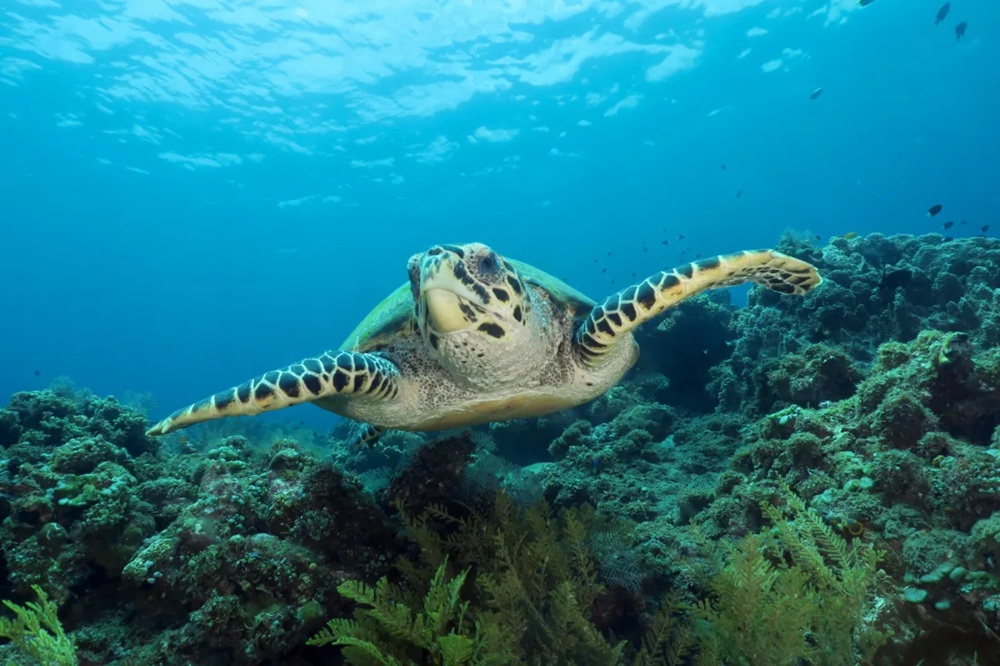
Types of Sea Turtles Found in Amed
Although many marine species inhabit Bali’s waters, two turtle species are commonly encountered during dives.
Green Sea Turtle
Green sea turtles are the most frequently seen species around Amed. They are easily recognized by their smooth shells and calm behavior.
These turtles often graze on algae growing across coral formations before slowly swimming toward deeper water. Divers who remain still usually enjoy longer observations as the turtles continue their natural activities.
Hawksbill Turtle
Hawksbill turtles appear less frequently but remain one of the highlights of Turtle Diving in Amed Bali.
Their pointed beak helps them feed on sponges hidden within coral reefs. Their beautifully patterned shells make them especially attractive for underwater photography.
Marine Life Beyond the Turtles
Although turtles attract much of the attention, Amed offers an incredibly rich underwater ecosystem.
Expect to encounter:
- Clownfish
- Blue-spotted stingrays
- Moray eels
- Sweetlips
- Batfish
- Giant trevallies
- Frogfish
- Leaf scorpionfish
- Seahorses
- Barracudas
- Garden eels
Many photographers also appreciate the remarkable opportunities for Macro Diving in Amed, where tiny subjects such as shrimp, pygmy seahorses, gobies, and colorful nudibranchs become the stars of the dive.
When Is the Best Time for Turtle Diving in Amed Bali?
One reason divers love Amed is its year-round accessibility.
The dry season, generally from April through November, usually delivers the clearest visibility, calm seas, and excellent underwater lighting.
During this period, visibility often reaches 20 to 30 meters, making it easier to locate turtles swimming across the reef.
The rainy season also provides rewarding dives because underwater conditions remain relatively stable compared to many other regions of Bali.
Local dive professionals simply select the best dive sites according to daily ocean conditions.
What Makes Amed Different from Other Turtle Diving Destinations?
Many destinations promise turtle encounters, but Amed stands apart because of its combination of accessibility, biodiversity, and peaceful diving atmosphere.
Unlike heavily visited dive sites elsewhere, Amed rarely feels overcrowded underwater. Divers can spend more time observing turtles naturally without dozens of other groups surrounding the animals.
The volcanic coastline also creates fascinating underwater topography, including lava formations, coral slopes, sandy bottoms, and artificial reefs within a relatively small area.
This diversity increases the chances of encountering different marine species during a single diving trip.
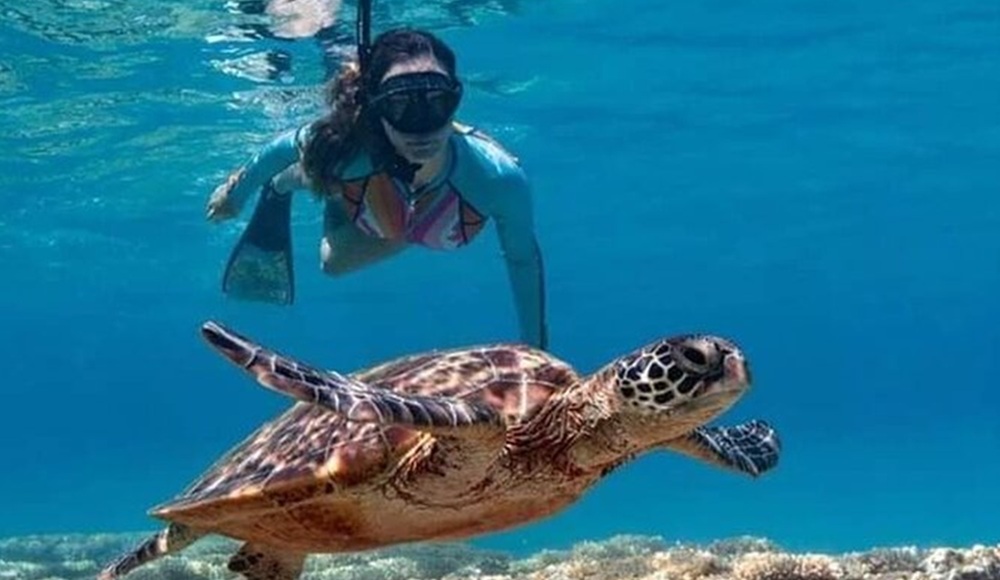
Tips for Seeing More Sea Turtles
Although turtles cannot be guaranteed on every dive, several techniques improve your chances.
Move slowly and maintain neutral buoyancy.
Avoid chasing turtles because sudden movements usually encourage them to swim away.
Listen carefully to your dive guide, who often notices turtles before anyone else.
Keep your breathing calm and avoid unnecessary splashing or rapid fin movements.
Many turtles become surprisingly comfortable when divers remain quiet and respectful.
Responsible Turtle Diving Practices
Sea turtles are protected marine animals that deserve careful treatment.
Responsible diving means observing without touching, feeding, or blocking their swimming path.
Photographers should never corner turtles simply to obtain closer images.
Using proper buoyancy also protects delicate coral reefs that provide essential feeding grounds for marine life.
Supporting environmentally responsible dive centers contributes directly to conservation efforts across Amed.
Underwater Photography Tips
Photographing turtles requires patience rather than speed.
Natural light works beautifully in shallow water, especially during morning dives.
Approach from the side instead of directly above the turtle.
Leave enough space within the frame to capture the surrounding reef, creating more dynamic images.
Wide-angle lenses generally perform best for turtles, while macro lenses can be used afterward to photograph smaller marine species.
Is Turtle Diving Suitable for Beginners?
Absolutely.
Many turtle sightings occur at moderate depths between 5 and 18 meters, making them accessible even for beginner divers participating in Discover Scuba Diving programs.
Certified divers can explore additional sites where turtles occasionally appear alongside larger schools of fish and more complex reef structures.
Professional instructors carefully select dive locations according to each diver’s experience and comfort level.
Combining Turtle Diving with Other Amed Adventures
Many visitors spend several days diving because every site offers unique underwater scenery.
A typical itinerary may include turtle diving in the morning, exploring the Japanese Shipwreck in the afternoon, enjoying a night dive after sunset, and visiting nearby macro dive sites the following day.
Some divers also combine Amed with Tulamben to experience both vibrant coral reefs and the famous USAT Liberty Wreck during one holiday.
This variety makes East Bali one of Indonesia’s most rewarding diving regions.
Safety Considerations
Safe diving always begins with proper preparation.
Complete a thorough equipment check before entering the water.
Follow your dive guide’s instructions throughout the dive.
Monitor your air supply regularly and remain within your certification limits.
Maintain good buoyancy to avoid damaging coral while ensuring your own safety.
Choosing a reputable dive center with experienced local professionals further enhances the overall diving experience.
Turtle Diving in Amed Bali offers far more than simply spotting sea turtles. It provides the opportunity to experience healthy coral reefs, exceptional biodiversity, peaceful dive conditions, and unforgettable underwater encounters that appeal to divers of every experience level.
From the colorful reefs of Jemeluk Bay to the fascinating Japanese Shipwreck and the thriving Pyramid Reef, every dive presents a new opportunity to observe turtles behaving naturally within their protected marine environment.
Whether you are planning your first dive holiday or returning to Bali for another underwater adventure, Turtle Diving in Amed Bali deserves a place at the top of your itinerary. With excellent visibility, welcoming local dive professionals, and an incredible diversity of marine life, Amed continues to establish itself as one of Bali’s finest destinations for unforgettable turtle encounters.