

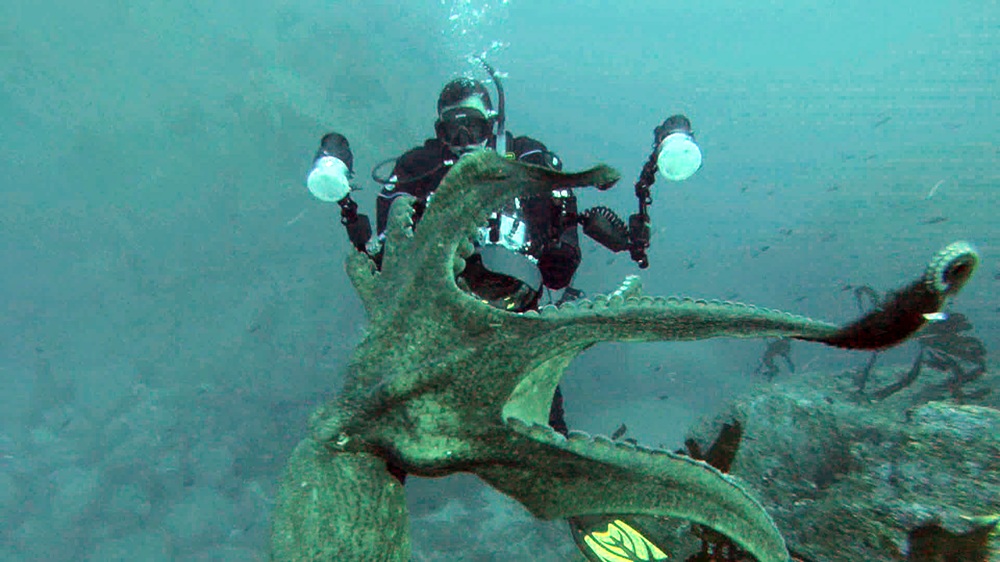
Octopus Diving Experience Amed: Discover Bali’s Most Intelligent Underwater Resident
There is something magical about encountering an octopus in its natural habitat. Unlike many marine animals that simply swim past divers, an octopus often pauses to observe its visitors with remarkable curiosity before disappearing into the reef in an astonishing display of camouflage. This unforgettable interaction is one of the main reasons why the Octopus Diving Experience Amed has become increasingly popular among underwater photographers, marine life enthusiasts, and recreational divers. While many visitors arrive hoping to see turtles or reef fish, experienced divers know that combining an octopus search with Nudibranch Hunting in Amed creates an exciting macro and marine life adventure unlike anywhere else in Bali.
The reefs surrounding Amed provide ideal conditions for several octopus species thanks to their diverse underwater landscape. Volcanic rock formations, healthy coral reefs, sandy bottoms, artificial reef structures, and small caves offer excellent shelter for these intelligent cephalopods. Every dive presents the possibility of discovering an octopus hunting, changing color, or carefully peeking from its hidden den. Because these remarkable animals are naturally shy, every sighting feels personal and rewarding.
Why Amed Is an Excellent Destination for Octopus Encounters
Amed’s coastline stretches across numerous dive sites, each offering unique underwater environments that attract different marine species. This habitat diversity is one of the biggest advantages for divers interested in the Octopus Diving Experience Amed. Rather than depending on a single location, divers can explore coral gardens, lava rock slopes, artificial reefs, and sandy seabeds where octopuses commonly establish their homes.
Many octopus species prefer areas filled with natural hiding places. Broken coral, rock crevices, abandoned shells, and small reef cavities provide protection from predators while serving as ideal hunting grounds. Since Amed offers all these environmental features within relatively short distances, the chances of encountering an octopus remain consistently good throughout the year.
For divers who enjoy underwater photography, these habitats also support numerous tiny marine organisms. Exploring Macro Diving in Amed often leads photographers to unexpected octopus encounters while searching for shrimps, crabs, frogfish, or colorful sea slugs hidden among the reef.
Meet the Masters of Camouflage
Perhaps the most fascinating characteristic of an octopus is its extraordinary ability to change appearance within seconds. Specialized pigment cells called chromatophores allow these remarkable animals to instantly alter their color, brightness, and pattern to match surrounding rocks, coral, or sand.
Beyond changing color, octopuses can also modify the texture of their skin. Smooth skin can suddenly become rough and covered with bumps, perfectly imitating coral rubble or volcanic rock. This incredible camouflage serves both defensive and hunting purposes, allowing them to avoid predators while surprising unsuspecting prey.
Divers experiencing the Octopus Diving Experience Amed are often amazed to watch an octopus seemingly disappear before their eyes. One moment it is clearly visible, and moments later it blends so perfectly into the reef that even experienced guides struggle to relocate it.
A Reef Filled with Unexpected Marine Life
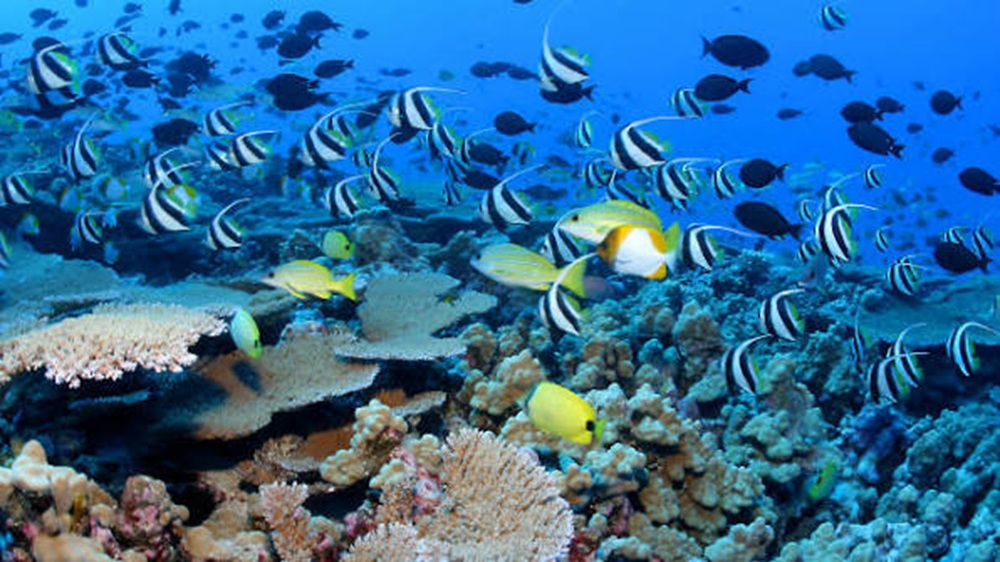
Searching for octopuses naturally encourages divers to slow down and pay closer attention to the reef. As a result, many dives become rich wildlife experiences far beyond the original objective. Careful observation frequently reveals Fish Species in Amed, including scorpionfish, lionfish, gobies, blennies, pipefish, juvenile angelfish, butterflyfish, and many other reef residents sharing the same underwater environment.
These small fish often interact with octopus habitats in fascinating ways. Some species seek protection among reef structures occupied by octopuses, while others compete for similar food sources. Watching these ecological relationships unfold provides a deeper appreciation for the complexity of Amed’s marine ecosystem.
For underwater photographers, every dive offers numerous opportunities beyond the primary subject. Even if an octopus remains hidden, the surrounding reef is alive with colorful marine creatures waiting to be discovered.
Different Octopus Species Found Around Amed
Although many visitors simply hope to see “an octopus,” several different species inhabit the waters surrounding Amed. Each displays unique behaviors, preferred habitats, and physical characteristics.
The Common Reef Octopus is among the species divers encounter most frequently. Recognized for its exceptional camouflage and curious personality, it often emerges cautiously from rocky shelters during early morning or late afternoon dives.
Smaller species may inhabit coral rubble or sandy slopes where they remain almost invisible against their surroundings. Some display beautiful mottled patterns, while others appear almost transparent under certain lighting conditions.
Occasionally, fortunate divers may witness an octopus carrying shells to reinforce its den or using nearby objects as temporary shelter. These behaviors demonstrate the remarkable intelligence that has made octopuses one of the ocean’s most studied invertebrates.
The Best Time to Search for Octopuses
Although the Octopus Diving Experience Amed is available throughout the year, certain times of day often produce more rewarding encounters. Early morning dives are particularly productive because many octopuses remain active after hunting during the night. Cooler water temperatures and calmer conditions also contribute to comfortable diving and excellent underwater visibility.
Late afternoon dives can be equally exciting as octopuses begin preparing for another night of feeding. During these quieter hours, divers frequently observe more natural behaviors, including hunting, exploring nearby rocks, or cautiously emerging from their dens.
Night diving offers another entirely different perspective. Equipped with dive lights, divers may witness octopuses actively searching for crabs, shrimp, and small fish across the reef. Their changing colors become even more dramatic under artificial light, creating unforgettable underwater photography opportunities
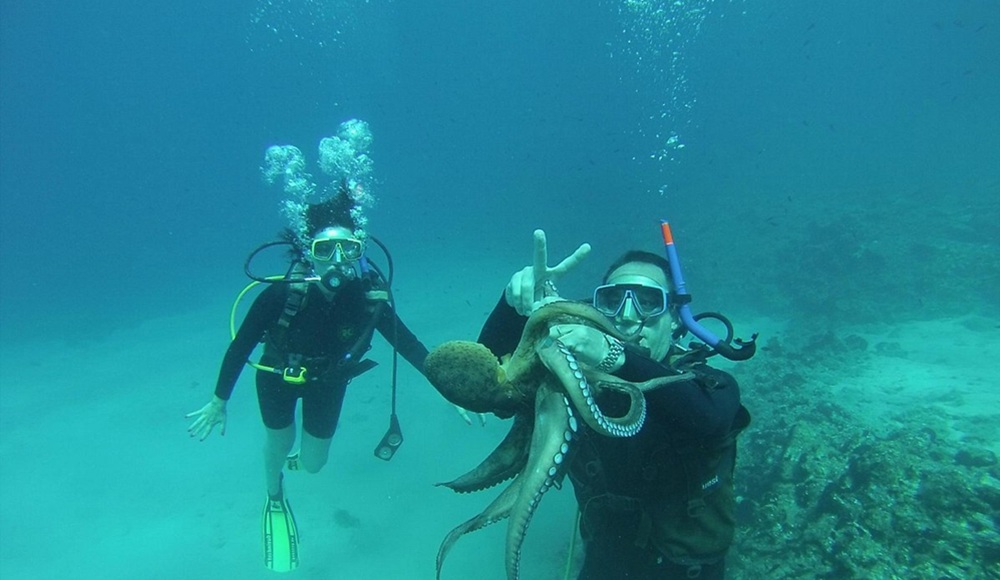
How Octopuses Hunt Beneath the Reef
One of the most fascinating aspects of the Octopus Diving Experience Amed is witnessing how these intelligent predators search for food. Unlike fast-swimming hunters, octopuses rely on patience, stealth, and remarkable problem-solving abilities. They slowly explore cracks, coral heads, and rocky crevices using their highly sensitive arms to detect hidden prey.
An octopus feeds on a wide variety of marine animals, including crabs, shrimp, small fish, clams, and snails. Once prey is located, it quickly extends its arms and secures the animal with powerful suction cups before delivering a precise bite with its sharp beak. Watching this natural hunting behavior is both educational and captivating for divers interested in marine biology.
Unlike many reef predators, octopuses rarely waste energy. Every movement is calculated, allowing them to conserve strength while remaining almost invisible to both predators and prey.
The Intelligence That Makes Every Dive Memorable
Scientists consider octopuses among the most intelligent invertebrates on Earth. During an Octopus Diving Experience Amed, divers may observe behaviors that demonstrate curiosity, memory, and advanced problem-solving skills rarely seen in other marine animals.
Research has shown that octopuses can recognize patterns, solve puzzles, navigate complex environments, and even remember previous experiences. Some individuals cautiously observe divers from the entrance of their dens before deciding whether to remain hidden or continue exploring.
This intelligence creates unusually interactive underwater encounters. Rather than immediately fleeing, some octopuses appear to study approaching divers while continuously adapting their camouflage to changing surroundings. Every meeting feels unique because each animal responds differently depending on its environment and comfort level.
Underwater Photography Tips for Octopus Encounters
Capturing exceptional images during an Octopus Diving Experience Amed requires patience far more than expensive camera equipment. Since octopuses are naturally cautious, slow movements help prevent them from retreating into their shelters.
Maintaining a respectful distance allows natural behavior to continue. Instead of swimming directly toward the animal, photographers should approach gradually while keeping sudden movements to a minimum. This often results in longer encounters and more authentic photographs.
Natural eye contact can create particularly compelling images. The expressive eyes of an octopus frequently become the focal point of memorable underwater portraits. Waiting quietly may also reward photographers with fascinating moments such as color changes, arm movements, or hunting behavior.
Lighting should always be used responsibly. Excessively bright strobes fired repeatedly at close range can disturb sensitive marine life. Ethical underwater photography prioritizes the well-being of the subject over obtaining a single dramatic image.
Combining Octopus Diving with Other Marine Discoveries
Although many visitors specifically seek the Octopus Diving Experience Amed, the surrounding reefs offer countless additional attractions throughout every dive. Divers moving slowly across the reef frequently discover frogfish resting on sponges, ghost pipefish drifting among soft corals, decorator crabs carrying camouflage, mantis shrimp peeking from burrows, and colorful flatworms gliding across coral surfaces.
Healthy coral ecosystems support an extraordinary variety of marine life, making every dive feel like a continuous wildlife expedition. Even experienced divers regularly encounter species they have never seen before.
This biodiversity explains why many underwater photographers schedule several consecutive diving days in Amed. Each dive site presents different habitats, increasing opportunities to document both large reef inhabitants and tiny macro subjects within the same trip.
Day Diving Versus Night Diving
Both daytime and nighttime dives provide outstanding opportunities for the Octopus Diving Experience Amed, but each offers a distinctly different atmosphere.
During daylight hours, divers benefit from excellent visibility that highlights coral reefs and volcanic underwater landscapes. Octopuses are often observed resting near their dens or cautiously exploring nearby rocks while remaining alert to potential danger.
Night diving transforms the reef into an entirely different world. As darkness falls, many nocturnal species emerge from hiding, including hunting octopuses actively searching for food. Divers may witness dramatic color changes, rapid movements across the seabed, and fascinating feeding behavior that rarely occurs during daylight.
For photographers, night dives often provide cleaner backgrounds and more isolated subjects because surrounding reef activity is reduced. The focused beam of a dive light naturally draws attention to the octopus while creating striking underwater compositions.
Responsible Wildlife Observation
Respecting marine life is essential for preserving the exceptional quality of the Octopus Diving Experience Amed. Although octopuses are naturally curious, they should never be chased, touched, or intentionally forced out of their hiding places.
Divers should maintain excellent buoyancy throughout the dive to avoid damaging delicate coral reefs. Contact with coral not only harms fragile ecosystems but may also destroy the shelters used by octopuses and many other reef inhabitants.
It is equally important to avoid blocking an octopus’s escape route. Feeling trapped may cause unnecessary stress and interrupt natural behavior. Giving the animal sufficient space allows divers to observe authentic interactions while minimizing disturbance.
Responsible diving ensures that future visitors can continue enjoying healthy reefs and unforgettable encounters with these remarkable creatures
Choosing the Right Dive Center for Octopus Diving
A successful Octopus Diving Experience Amed begins with selecting a professional dive center that understands local marine ecosystems. Experienced dive guides know where octopuses are commonly found and, more importantly, how to approach them without causing unnecessary stress.
Small dive groups are often the best choice for wildlife observation. Fewer divers create less underwater disturbance, allowing octopuses to behave naturally. Guides can also spend more time helping guests locate hidden marine life and explaining fascinating behaviors that might otherwise go unnoticed.
Before entering the water, ask your dive guide about the day’s conditions, expected visibility, and the dive sites most likely to produce octopus sightings. Local knowledge often makes a significant difference, especially when searching for well-camouflaged marine animals.
Why Divers Return to Amed Again and Again
Many divers visit Amed expecting only beautiful coral reefs, but they leave with a newfound appreciation for the destination’s incredible biodiversity. The Octopus Diving Experience Amed is rarely identical from one dive to the next because every encounter depends on natural animal behavior, seasonal conditions, and a little patience.
Some divers remember watching an octopus carefully emerge from a rocky shelter after several minutes of quiet observation. Others recall witnessing a rapid color transformation as the animal crossed different sections of the reef. These unpredictable moments often become the highlights of an entire diving vacation.
Unlike attractions that remain unchanged, healthy marine ecosystems constantly evolve. Juvenile marine life matures, coral communities continue growing, and environmental conditions influence animal activity throughout the year. This natural variety keeps every return visit exciting.
The Ecological Importance of Octopuses
Beyond their intelligence and fascinating appearance, octopuses play an essential role in maintaining balanced reef ecosystems. As predators, they help regulate populations of crabs, mollusks, and other small marine animals. At the same time, they serve as prey for larger fish, moray eels, sharks, and marine mammals, making them an important link within the underwater food web.
Their abandoned dens also provide shelter for numerous smaller reef organisms after the octopus moves elsewhere. Empty shells, rock cavities, and coral crevices become temporary homes for shrimp, gobies, blennies, and juvenile fish.
Protecting octopus habitats therefore benefits countless other marine species. Healthy reefs support healthier wildlife populations, ensuring that future generations of divers can continue experiencing Amed’s extraordinary underwater biodiversity.
Tips for First-Time Octopus Divers
If this is your first Octopus Diving Experience Amed, a few simple habits can greatly improve your chances of success.
Start by slowing your pace underwater. Swimming too quickly often causes divers to overlook hidden marine life. Carefully scan rocky outcrops, coral heads, sponge-covered areas, and small crevices where octopuses commonly establish their dens.
Practice steady breathing and maintain neutral buoyancy throughout the dive. Stable positioning not only protects the reef but also allows you to observe subtle movements that reveal well-camouflaged animals.
Finally, trust your dive guide. Local professionals develop exceptional observation skills through years of diving the same reefs. They often notice tiny details that inexperienced divers might easily miss.
The Octopus Diving Experience Amed offers much more than simply spotting another marine creature. It provides an opportunity to witness one of the ocean’s most intelligent animals displaying behaviors that continue to fascinate scientists, photographers, and recreational divers alike.
From remarkable camouflage and problem-solving abilities to graceful hunting techniques and expressive curiosity, octopuses represent one of the most rewarding subjects in underwater exploration. Combined with Amed’s healthy coral reefs, volcanic underwater landscapes, and exceptional biodiversity, every dive becomes a journey filled with discovery.
Whether you are an experienced underwater photographer, a passionate marine life enthusiast, or someone preparing for your first diving adventure in Bali, Amed offers outstanding opportunities to encounter these remarkable cephalopods in their natural environment. With responsible diving practices and guidance from knowledgeable local professionals, your Octopus Diving Experience Amed may become one of the most memorable underwater adventures of your life.
As you ascend after each dive, the memory of an octopus disappearing seamlessly into the reef serves as a reminder that the ocean still holds countless mysteries waiting to be explored. In Amed, every descent beneath the surface offers another chance to witness nature’s intelligence, beauty, and extraordinary adaptability