
Everything You Need to Know Before Diving in Amed
Planning your first Amed diving adventure? Whether you’re a beginner eager to experience scuba diving for the first time or a certified diver looking to explore Bali’s famous underwater world, preparing before your trip will help you enjoy a safer, smoother, and more rewarding experience.
Located on Bali’s peaceful northeastern coast, Amed has become one of Indonesia’s top scuba diving destinations. Its crystal-clear waters, healthy coral reefs, diverse marine life, and relaxed atmosphere attract thousands of divers every year. Unlike many busy tourist destinations, Amed offers a slower pace of life, making it the perfect place to focus on underwater exploration.
This guide covers everything you need to know before diving in Amed, from choosing the right season and dive operator to understanding local conditions, equipment, certification requirements, and helpful travel tips.
Why Choose Amed for Scuba Diving?
There are many excellent diving destinations in Bali, but Amed stands out because it offers an outstanding combination of accessibility, biodiversity, and dive site variety.
Divers can enjoy colorful coral reefs, volcanic underwater landscapes, reef walls, artificial reefs, macro photography opportunities, and even historic shipwrecks—all within a relatively small area.
Another advantage is that many dive sites are accessible directly from the shore, reducing travel time and allowing more time underwater.
Whether you plan a single dive or a week-long diving vacation, Amed offers enough variety to keep every dive exciting.
Is Amed Suitable for Beginners?
Yes. Amed is widely recognized as one of the best places in Bali for beginner scuba divers.
Several dive sites feature:
- Calm water conditions
- Easy beach entry
- Excellent visibility
- Gentle underwater terrain
- Healthy coral reefs
If you have never dived before, you can participate in a Discover Scuba Diving program. Under the guidance of an experienced dive professional, you’ll learn the basic skills needed to safely enjoy your first underwater experience.
Many visitors who try scuba diving for the first time in Amed later decide to continue their diving education by earning a PADI certification.
Do You Need a Diving Certification?
The answer depends on the type of diving activity you choose.
If you are a certified diver, you can join activities such as:
- Fun Diving
- Private Diving
- Night Diving
- Multi-dive packages
- Wreck diving
If you are not certified, Discover Scuba Diving allows you to experience scuba diving under professional supervision without completing a certification course beforehand.
If you wish to dive independently in the future, completing a PADI certification course is highly recommended.
The Best Time to Dive in Amed
One of the greatest advantages of Amed is that diving is available throughout the year.
Although conditions vary with the seasons, many dive sites remain accessible during most months.
The dry season generally provides:
- Excellent underwater visibility
- Calm sea conditions
- Comfortable water temperatures
- Ideal weather for diving holidays
During other seasons, marine life can change, creating new opportunities for underwater photography and wildlife encounters.
Local dive professionals monitor daily sea conditions to recommend the most suitable dive sites each day.
What Marine Life Can You Expect?
Amed is home to an impressive variety of marine species.
Common sightings include:
- Clownfish
- Butterflyfish
- Angelfish
- Parrotfish
- Surgeonfish
- Lionfish
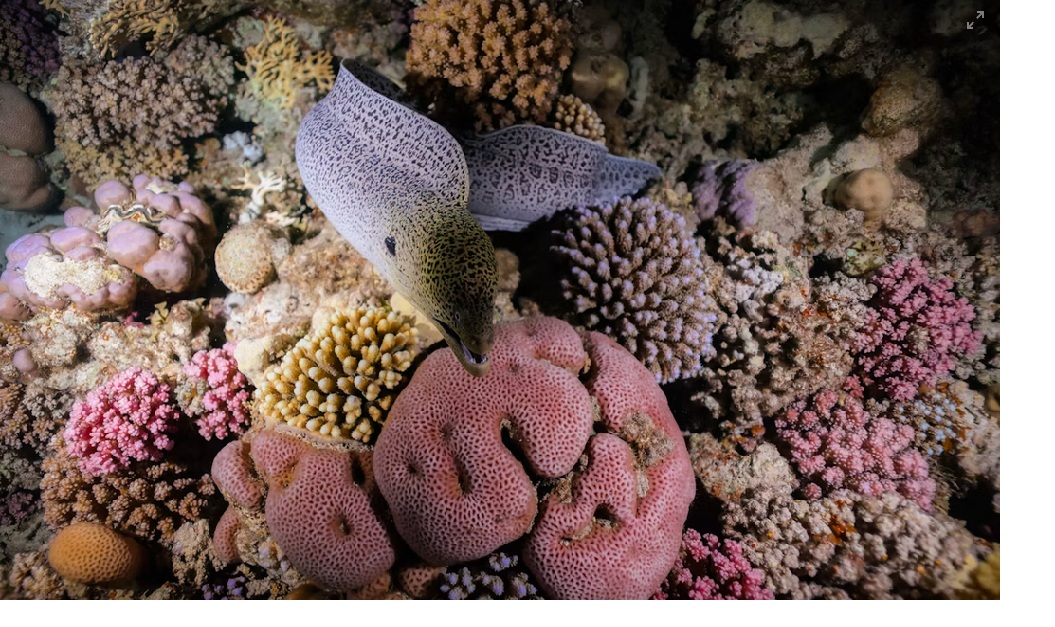
- Moray eels
- Octopuses
- Cuttlefish
- Nudibranchs
- Sea turtles
- Blue-spotted stingrays
Macro photographers especially enjoy Amed because many fascinating small creatures can be found among the coral reefs and sandy bottoms.
Since marine life changes with the seasons, every dive offers a unique experience.
Famous Dive Sites You Should Visit
One of the reasons Amed diving remains so popular is the diversity of dive sites available.
Some of the area’s most famous locations include:
Jemeluk Bay
Known for calm conditions, healthy reefs, and colorful tropical fish.
Amed Wall
A beautiful reef wall featuring dramatic underwater scenery and abundant marine life.
Japanese Shipwreck
A small historic wreck that has become a thriving artificial reef covered with colorful coral.
Pyramid Reef
An innovative artificial reef project supporting coral restoration and marine biodiversity.
Coral Garden
A vibrant coral reef filled with tropical fish and ideal for underwater photography.
USAT Liberty Wreck
Located in nearby Tulamben, this world-famous wreck dive is often included in Amed diving itineraries.
What Should You Bring?
Preparing properly will make your diving trip much more comfortable.
Recommended items include:
- Swimwear
- Towel
- Reef-safe sunscreen
- Sunglasses
- Change of clothes
- Waterproof bag
- Certification card (if applicable)
- Logbook
- Personal medication
- Reusable water bottle
Most dive operators provide all necessary scuba equipment, but bringing your own mask or dive computer is always an option if you prefer using familiar gear.
How to Choose the Right Dive Operator
Choosing the right dive operator is one of the most important parts of planning your diving holiday.
Look for operators that offer:
- Experienced local dive guides
- Well-maintained diving equipment
- Small diving groups
- Professional safety procedures
- Transparent pricing
- Good customer reviews
- Flexible diving packages
Local operators often provide the best recommendations because they understand Amed’s changing sea conditions and dive sites better than anyone else.
Safety Tips Before Diving
Every diver should follow basic safety guidelines.
Before diving:
- Get enough rest.
- Stay hydrated.
- Avoid alcohol before diving.
- Eat a light meal.
- Inform your guide about any medical conditions.
- Listen carefully during the dive briefing.
- Never exceed your certification level.
- Dive with a buddy.
- Respect marine life.
- Allow adequate surface intervals between dives.
Following these simple recommendations helps create a safer and more enjoyable diving experience.
Transportation to Amed
Although Amed is located several hours from Bali’s international airport, transportation is straightforward.
Many local dive operators provide pickup services from:
- Ubud
- Sanur
- Canggu
- Seminyak
- Kuta
- Jimbaran
- Nusa Dua
- Candidasa
Transportation is often available as part of a diving package, allowing visitors to travel comfortably without arranging separate transfers.
Why Local Knowledge Matters
Every diving destination has changing underwater conditions, and Amed is no exception.
Local dive professionals know which dive sites perform best on different days based on tides, currents, visibility, and weather.
This local expertise helps visitors enjoy the safest conditions while maximizing opportunities to see beautiful coral reefs and marine life.
Supporting a locally owned diving business also contributes to the local community and creates a more authentic travel experience.
Amed has earned its reputation as one of Bali’s best scuba diving destinations for good reason. Its combination of healthy coral reefs, diverse marine life, beginner-friendly conditions, famous dive sites, and welcoming local community creates an exceptional diving experience for every visitor.
Whether you’re taking your very first underwater breath, earning your PADI certification, exploring colorful reefs, or diving historic shipwrecks, careful preparation will help you make the most of your time in Amed.
By choosing an experienced local dive operator, planning your dives wisely, and following responsible diving practices, you’ll discover why so many divers return to Amed year after year.
Your next unforgettable underwater adventure could begin right here on Bali’s beautiful east coast.